Jewelry SEO Services

Jewelry buyers search for exact things: a lab-grown oval in platinum, ring resizing close to home, or somewhere to sell old gold today. I do SEO for jewelry stores: I plan and write pages around those searches, one category and one service at a time, with wording that follows the FTC Jewelry Guides. That way an independent jeweler can win buyers from the chains and the big online brands.

I do SEO and ads for a Houston jewelry store with a showroom, including the cleanup after its move from WordPress to Shopify.

  • 6+ years of experience
  • 30+ clients served
  • Completed Koray's Topical Authority course

Signs your jewelry store is losing buyers in search

  • Chains and big online brands take every top spot for "engagement rings" in your own city.
  • Lab-grown and natural diamonds share the same pages, titles and filters.
  • Product pages use the supplier's description word for word, like hundreds of other stores.
  • Repair, appraisals and gold buying sit on one "Services" page, or nowhere at all.
  • After a website move, old product links lead to error pages.
  • Every ring size and metal has its own URL with copied content.
  • You can't say which searches turned into showroom appointments last month.

A topical map built around how people buy jewelry

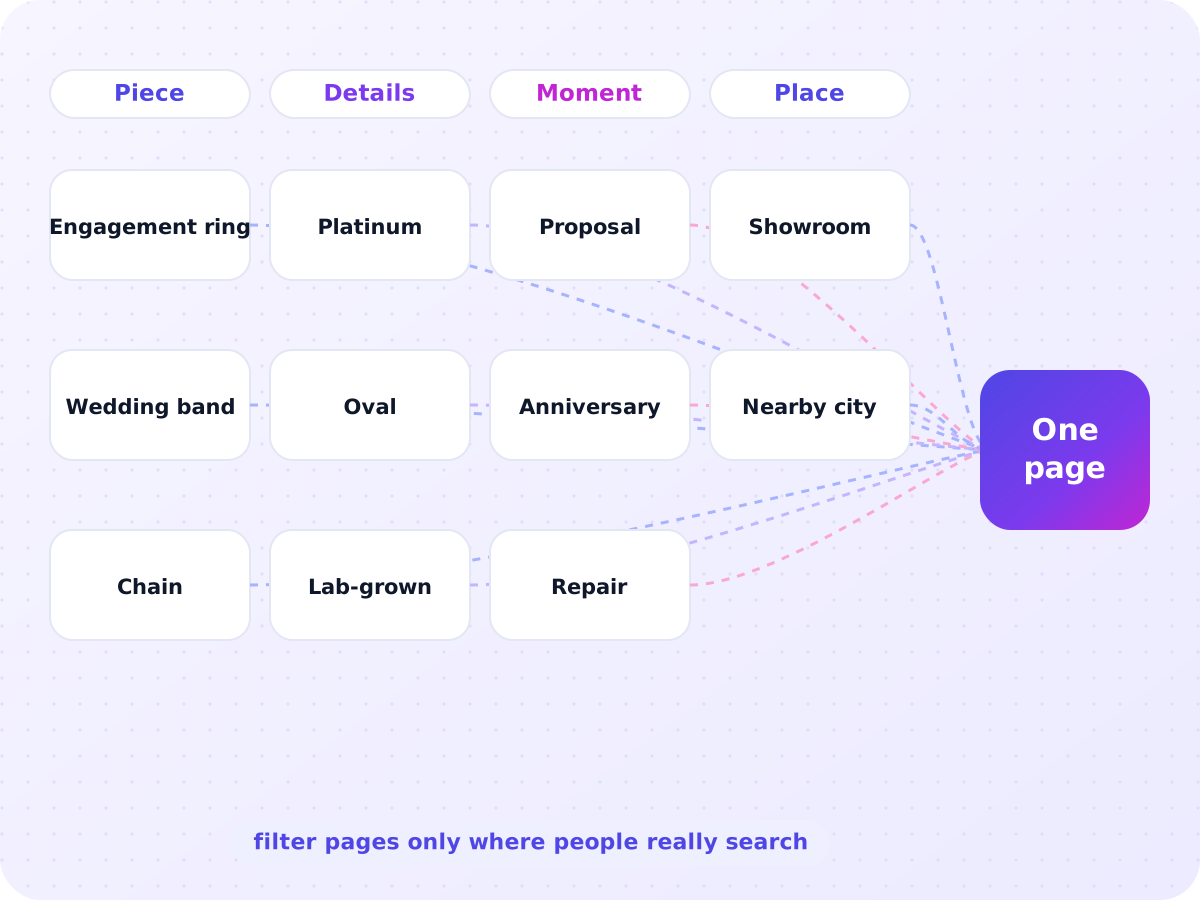
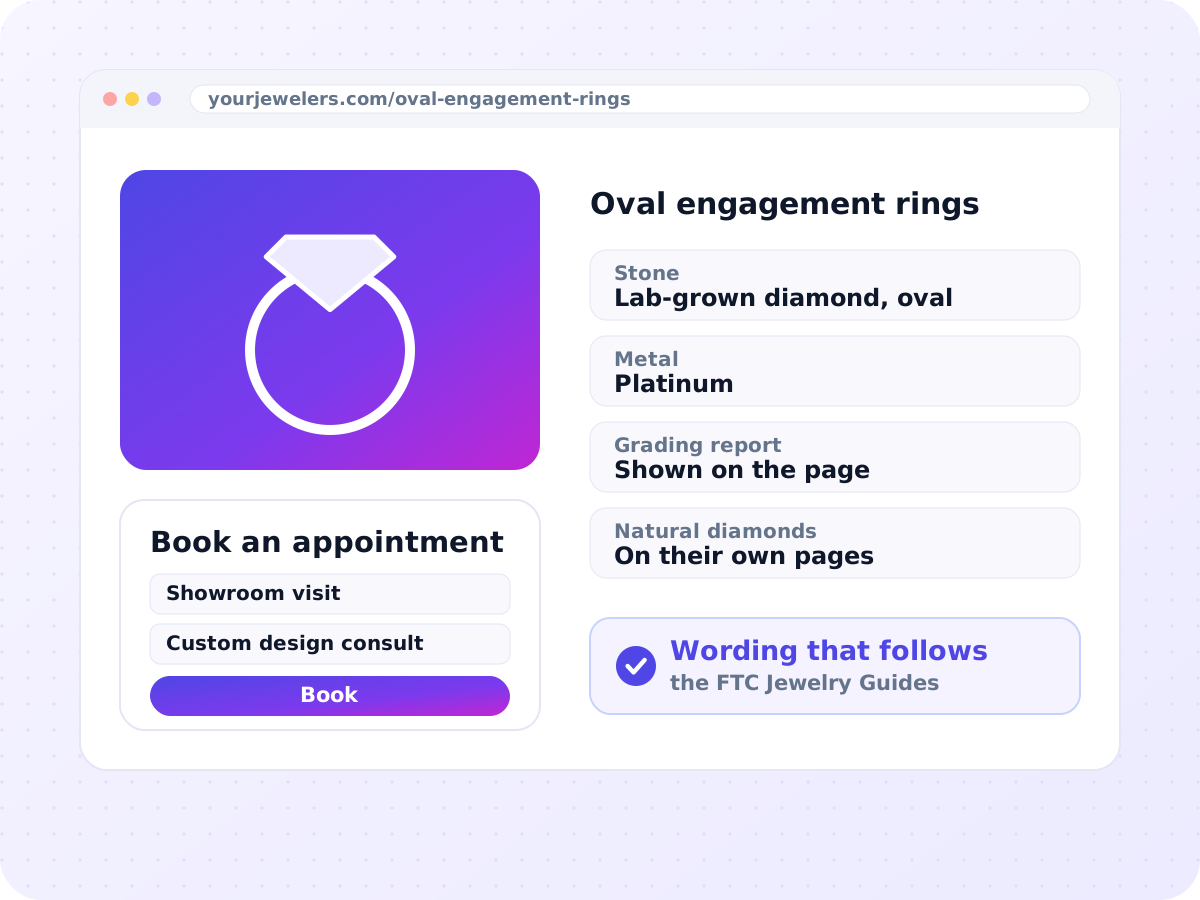
Every jewelry search mixes four things: the piece (an engagement ring, a wedding band, a chain), its details (metal, stone, shape, carat, lab-grown or natural), the moment (a proposal, a wedding, an anniversary, a repair, a sale) and the place. I map those searches and give each need one page: category pages for pieces and their details, service pages for repair, appraisals and gold buying, and a page for each showroom. A filter combination such as "oval lab-grown engagement rings in platinum" gets its own page only when people really search for it and you have enough stock to fill it. The rest stay as filters that Google doesn't index. This is the semantic SEO method behind all my work; more on my Semantic SEO page.

SEO for every type of jewelry business

Each type below shows the searches buyers use and what the page needs.

Engagement rings and bridal

  • How buyers search: "engagement rings near me", then by shape, setting and metal: "oval engagement ring", "halo engagement ring", "platinum solitaire".
  • What wins: category pages by shape and setting that show real stock, setting and stone pages Google can crawl behind your ring builder, and an appointment button on every page.
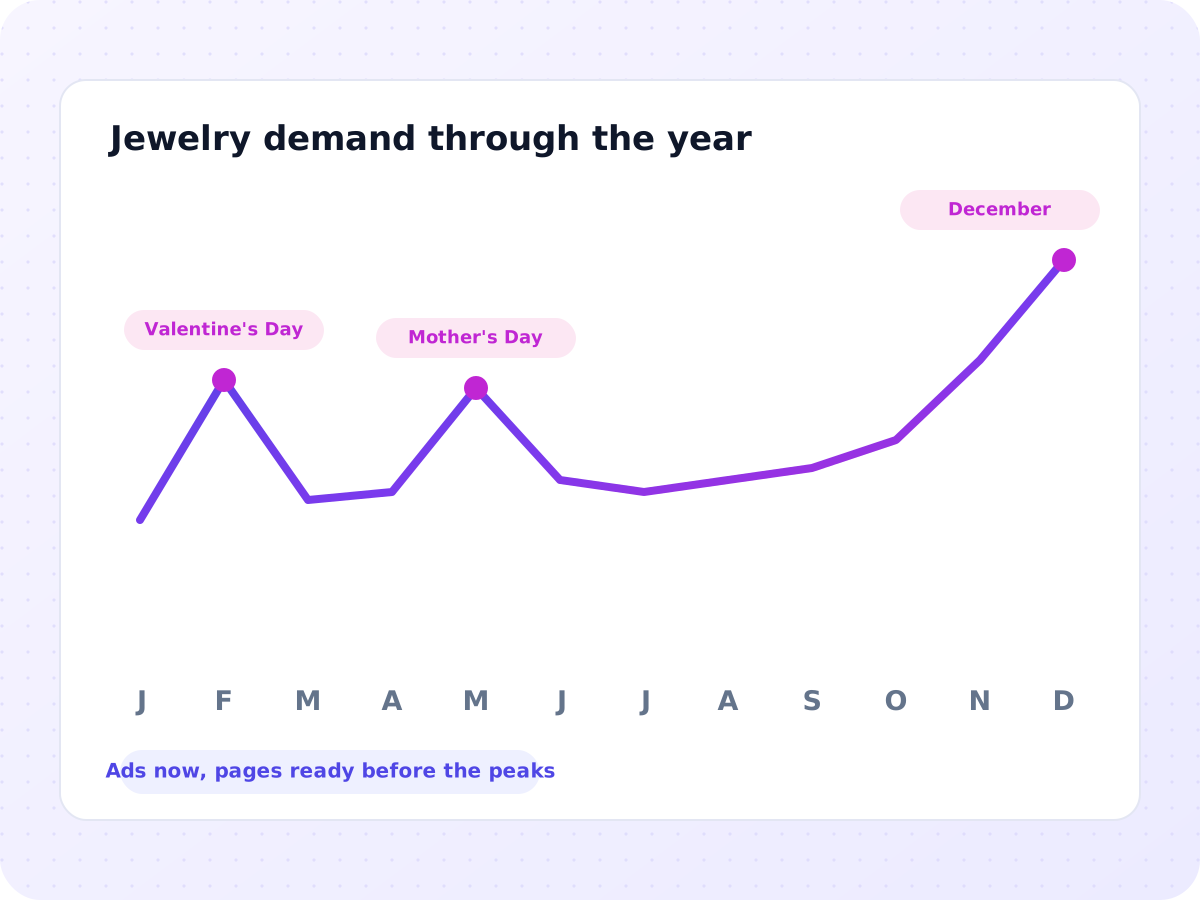
  • Watch out for: lab-grown and natural rings mixed in one listing with no label. Searches peak in December, so bridal pages need to be live by early fall.

Custom design

  • How buyers search: "custom engagement rings", "custom jewelry near me", "redesign my old ring".
  • What wins: a page that walks through the process (consultation, CAD design, wax or 3D print, casting and setting), real past pieces with photos and short stories, and typical timelines and starting prices.
  • Watch out for: a gallery of images with no words Google can read, or photos of pieces you didn't make.

Lab-grown diamonds

  • How buyers search: "lab grown diamonds near me", "lab grown engagement rings", "lab diamond earrings".
  • What wins: their own category pages, "laboratory-grown" or "lab-grown" in every title and description, and grading report details where the stone has one.
  • Watch out for: the word "diamond" alone, or "real", "natural" and green claims on lab-grown stones. The FTC has warned jewelry sellers about exactly this. Simulants such as moissanite and cubic zirconia are not diamonds of any kind.

Natural and loose diamonds

  • How buyers search: "loose diamonds", "GIA certified diamonds", by shape and carat: "2 carat round diamond".
  • What wins: loose diamond pages by shape and size, with grading reports, and a diamond search tool that doesn't hide everything from Google.
  • Watch out for: thousands of near-empty stone pages from a supplier feed. Index the useful pages and keep the rest out.

Wedding bands

  • How buyers search: "wedding bands near me", "men's wedding bands", "women's diamond wedding band".
  • What wins: pages by metal and style for men and women, matching sets, and clear sizing help.
  • Watch out for: one page for every band with no way to tell men's from women's styles.

Fine and fashion jewelry

  • How buyers search: by piece and metal: "14k gold chain", "tennis bracelet", "sapphire earrings", "pearl necklace".
  • What wins: category pages by piece and metal, with the exact karat, stone and any treatment stated on every product.
  • Watch out for: "gold" on plated pieces, "sterling" on silver under 925, and pearls without the word "cultured" when they are cultured.

Jewelry repair and ring resizing

  • How buyers search: "jewelry repair near me", "ring resizing near me", "chain repair", "prong repair".
  • What wins: a page for each main repair, with typical turnaround, starting prices and photos of your bench.
  • Watch out for: hiding repair behind a footer link, or promising same-day work you can't always deliver.

Watches

  • How buyers search: "watch repair near me", "watch battery replacement", "watch band replacement", and by brand.
  • What wins: a watch service page that lists what you do and which brands you service, plus brand pages only for brands you're authorized to sell.
  • Watch out for: using a watch brand's name or logo in a way that suggests you're an authorized dealer when you're not. Authorized dealers also need to follow each brand's own web and ad rules.

Appraisals

  • How buyers search: "jewelry appraisal near me", "appraisal for insurance", "estate jewelry appraisal".
  • What wins: a page that explains insurance and estate appraisals, who does them and which credentials they hold (such as GIA Graduate Gemologist), how long it takes and the cost.
  • Watch out for: claiming credentials your staff don't hold.

Gold buying

  • How buyers search: "gold buyers near me", "sell gold near me", "we buy gold", "sell diamond ring".
  • What wins: a page on what you buy, how offers are calculated (karat, weight and the day's gold price), what ID to bring, and your license where one is required.
  • Watch out for: "highest price" claims you can't back up, and anything that suggests you buy from minors.

Estate and vintage jewelry

  • How buyers search: "estate jewelry near me", "vintage engagement rings", "antique rings".
  • What wins: one-of-a-kind product pages with era, condition and history, which stay live as "sold" or point to similar pieces after they sell.
  • Watch out for: deleting sold pieces so their links break, or calling reproductions "antique".

Online jewelry brands

  • How buyers search: by style and price, often on mobile: "dainty gold necklace", "birthstone ring", "personalized name necklace".
  • What wins: collection pages by metal, stone and style, ring sizes and metals marked up as variants of one product, and a Shopping feed that matches the product page.
  • Watch out for: Shopify's duplicate product URLs inside collections, and supplier copy repeated across hundreds of stores. More: Ecommerce SEO.

More on each industry I work in: Industries.

Competing with chains and big online brands

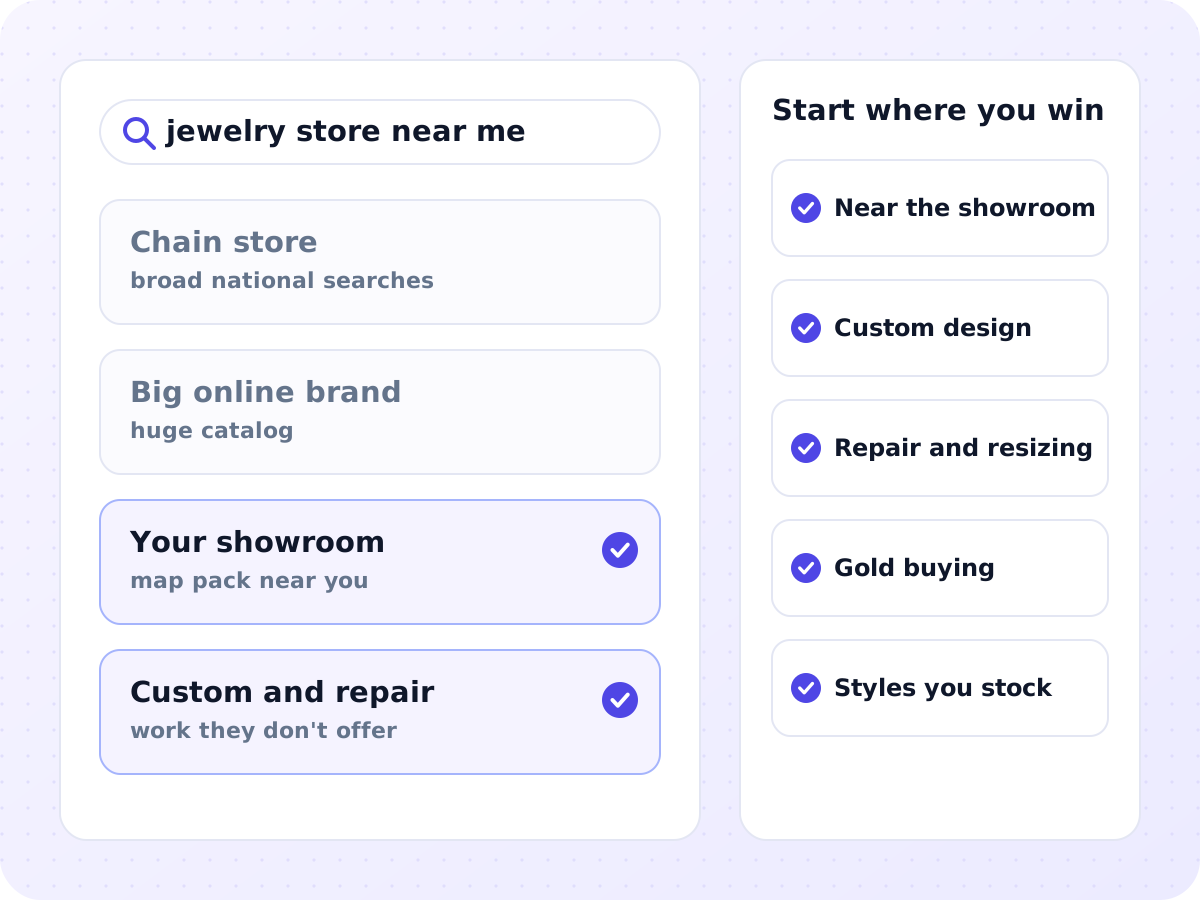
Chains and big online jewelers have strong domains and huge catalogs, so they win most broad searches like "engagement rings". An independent jeweler wins in other places: the map pack for searches near the showroom, custom and repair work the online brands don't offer, detailed pages on the styles you actually stock, and reviews from local buyers. Good jewelry store SEO starts with the searches your store can win, then widens from there.

Product and category pages that follow the FTC Jewelry Guides

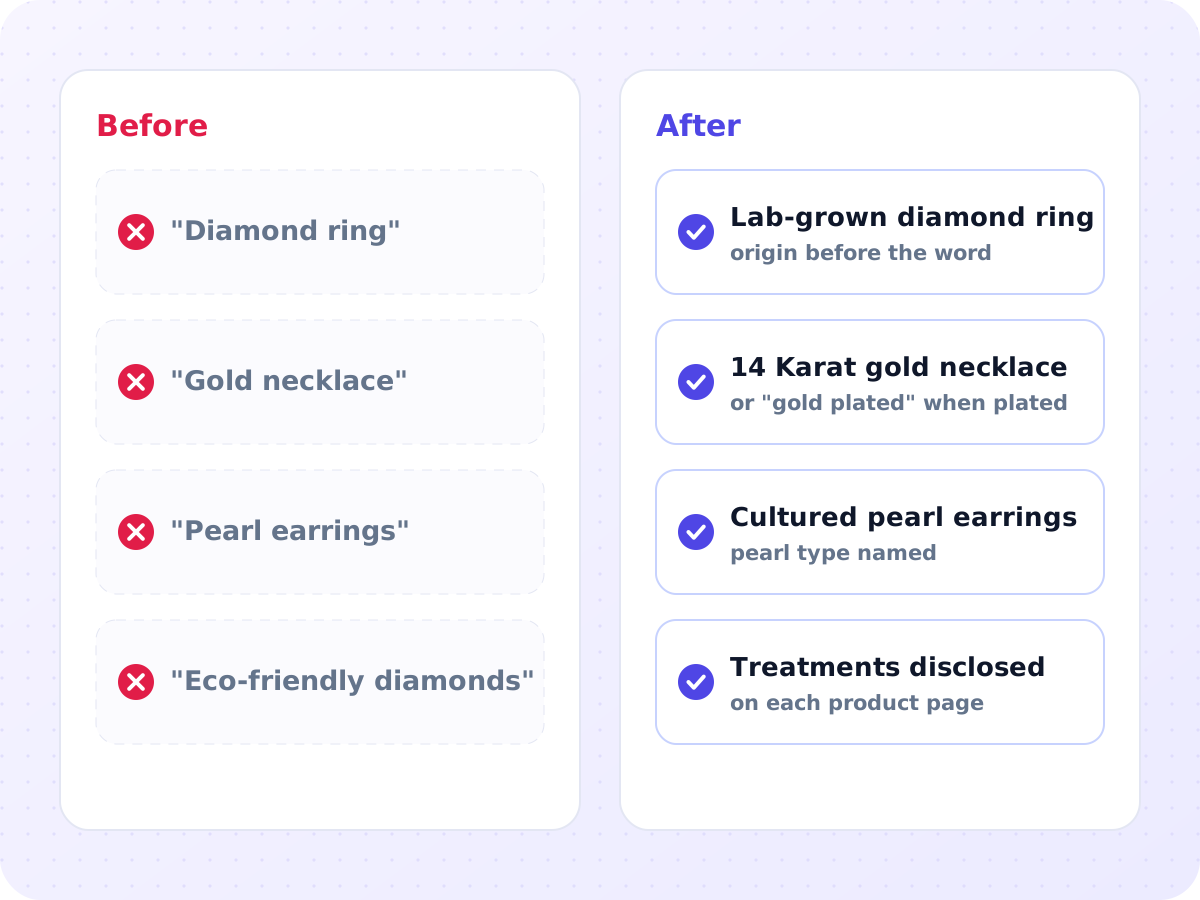
Jewelry product pages carry rules most stores never check. Under the FTC Jewelry Guides, a lab-grown diamond needs "laboratory-grown" or a similar word right before "diamond", as easy to see as the word itself. Gold needs its karat, "sterling" means at least 925 silver, plating must be named, and treatments that change care or value must be disclosed. The Guides say treatment details belong in the product description when buyers can't see the piece, and FTC staff have told sellers to put lab-grown disclosures next to each product. I write titles, descriptions, filters and product data to match, so lab-grown and natural pieces each have their own pages and nothing is mixed up. Confirm the details with your own counsel.

Platform moves and redirect cleanup

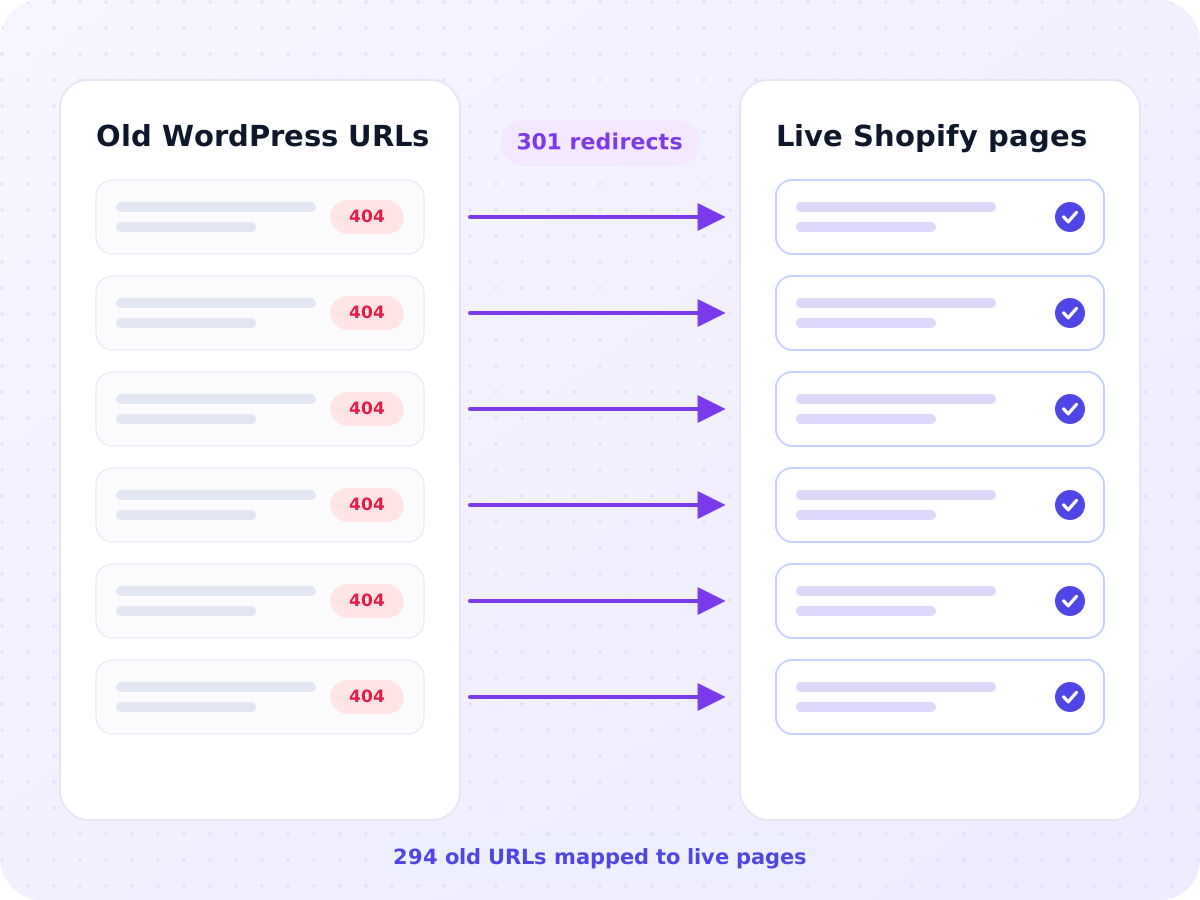
Many jewelers move platforms, often from WordPress to Shopify, and lose rankings because old product and category links stop working. I've cleaned this up for a Houston jewelry store: 294 broken old URLs, including 235 product pages, each mapped to the closest live page. Before a move, I map every old URL to its new home. After it, I check Search Console for errors and fix what's left. More: Technical SEO.

Google Business Profile and the map pack for jewelers

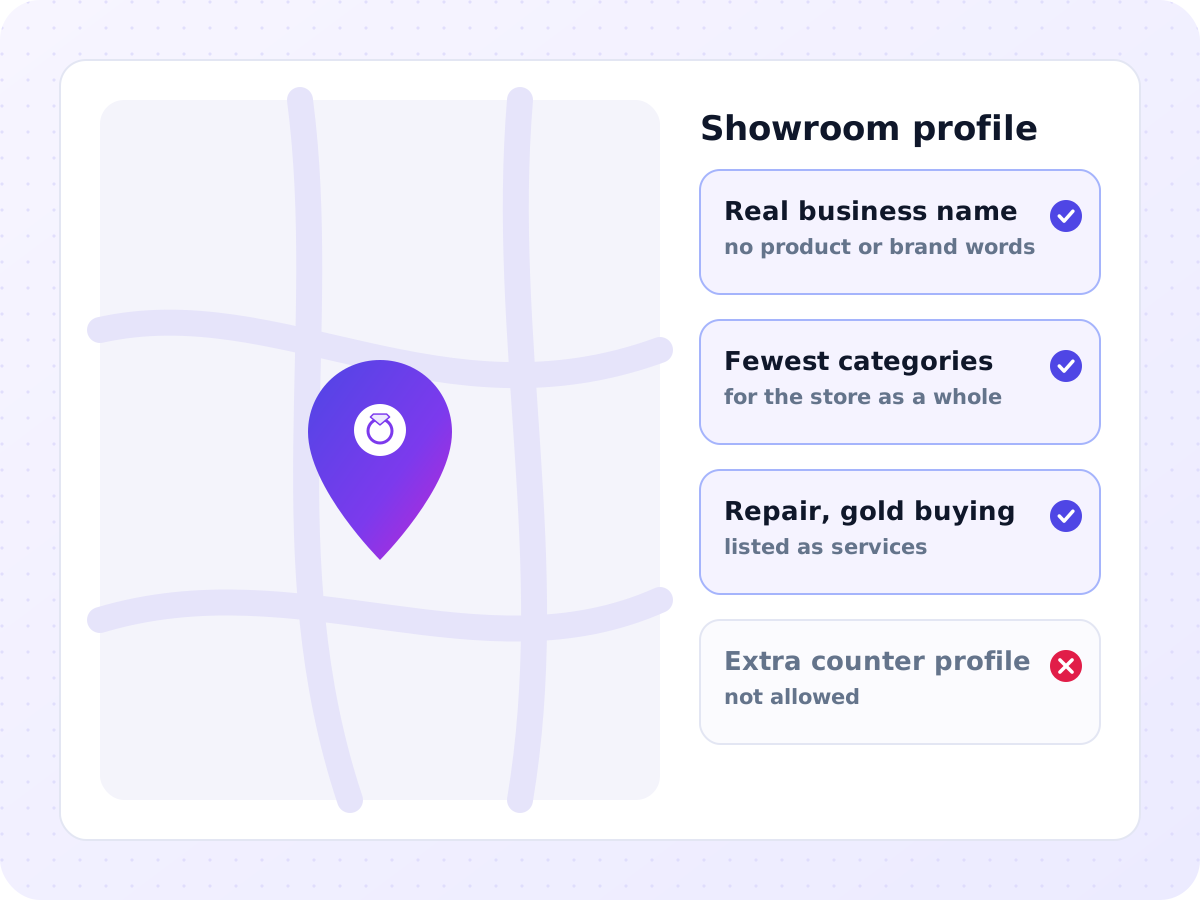
For a showroom, the map pack often decides who gets the visit. I set up each store's profile the way Google's rules allow:

  • Name:

    your real business name, with no product words and no names of brands you sell.

  • Categories:

    the fewest that describe the store as a whole.

  • Hours:

    your real opening hours, or none if you work by appointment only.

  • Photos:

    real photos of the showroom, cases and bench.

Repair, appraisals and gold buying go in services, not extra profiles, unless one runs as a distinct department with its own category. Each showroom gets its own page with address, hours, services and directions. More: Local SEO.

Reviews collected the right way

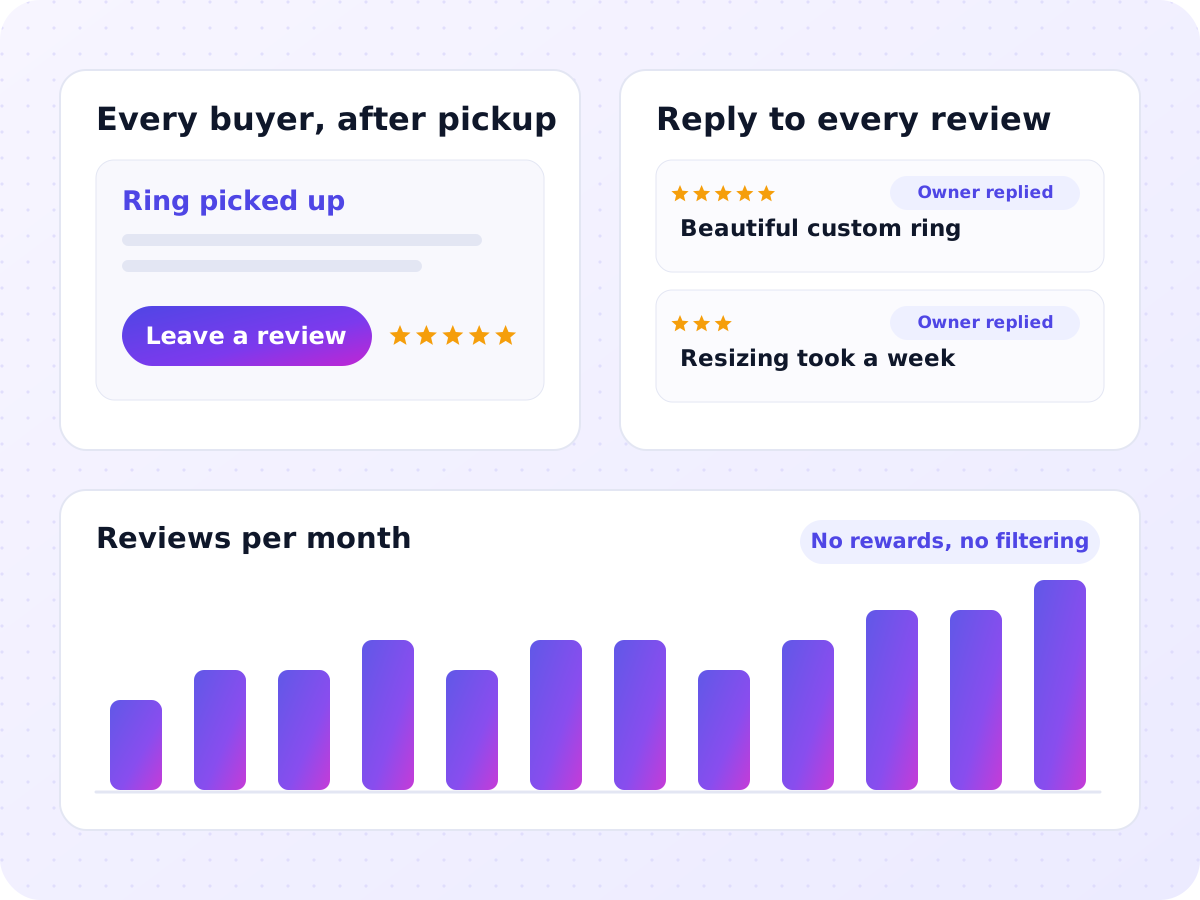
Jewelry is a trust purchase, so buyers read reviews about service, honesty and how problems were fixed. The FTC's fake review rule bans fake reviews and rewards tied to positive ones, and Google bans paid and incentivized reviews. So I set up one simple request sent to every buyer and repair customer after pickup, with no rewards and no filtering out unhappy customers first. Replying to every review, good or bad, shows the next buyer how you treat people.

Trust signals buyers check before they spend

Buyers spend real money and want proof first:

  • Grading reports for diamonds and important stones, shown on the product page.

  • Clear return, exchange, resizing and warranty policies.

  • Who makes and repairs the pieces, with real photos of your team and bench.

  • Trade memberships and staff credentials you really hold.

  • Your precious metals dealer license where your city or state requires one.

Google Shopping and product data from one source

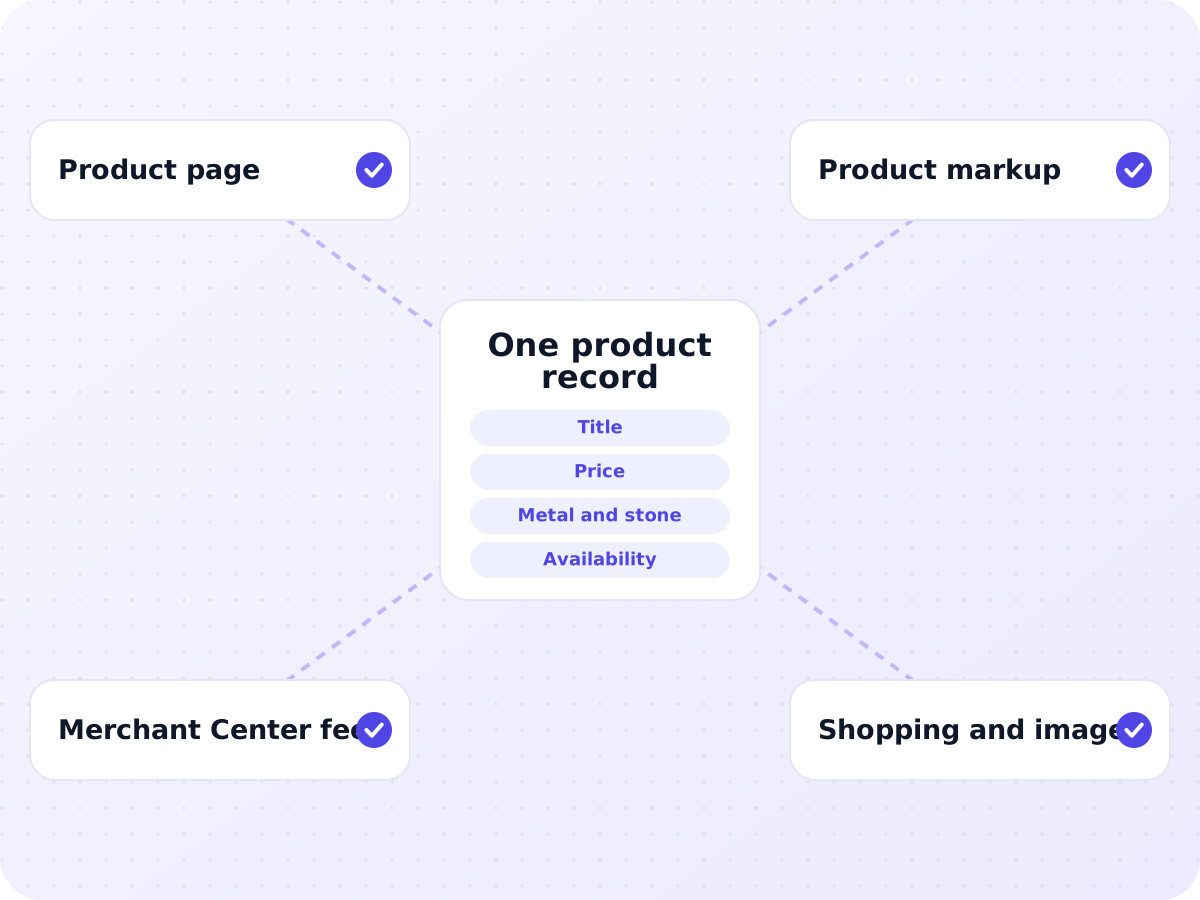
Google Shopping, free listings and image results all read your product data. I keep the product page, its markup and your Merchant Center feed matched: the same title, price, metal, stone and availability everywhere. Ring sizes and metals are marked up as variants of one product, and custom, one-of-a-kind and vintage pieces are listed the way Google allows for items with no barcode.

A site built for appointments and sales

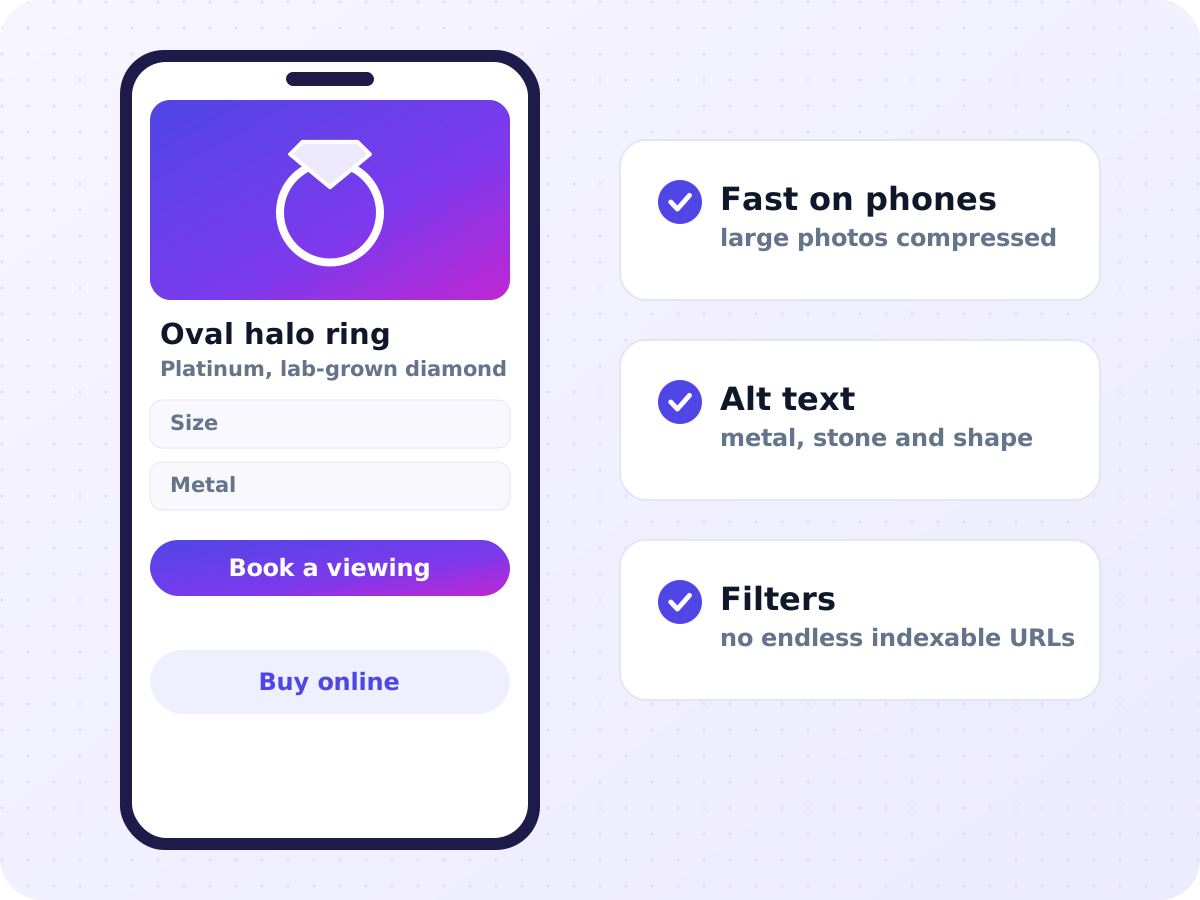
Jewelry website SEO starts with speed. Jewelry sites are full of large photos, videos and filters, which slow pages down on phones. Every photo gets a clear file name and alt text that names the metal, stone and shape, so it can show in image search. I fix speed and mobile layout, make sure filters don't create endless indexable URLs, and keep the appointment or buy button one tap away. Structured data describes each product, store and service accurately. AI tools that recommend jewelers tend to repeat facts that match across the web, so I keep yours accurate everywhere; more on AI Search Optimization.

SEO and ads planned together

SEO is one part of jewelry store marketing, and it takes months. Jewelry demand peaks around December, Valentine's Day and Mother's Day. Google Ads and Meta ads can bring buyers now. I plan them from the same search data as your pages, so ads show which styles and services sell before we build pages for them. More: Google Ads and Facebook Ads.

Measured in appointments and sales

  • Appointment bookings, calls, form leads and online sales tracked by page, category and service.

  • The booking confirmation page set as the main goal, so ad platforms learn from real bookings.

  • In-store sales matched back to searches where your point-of-sale system allows it.

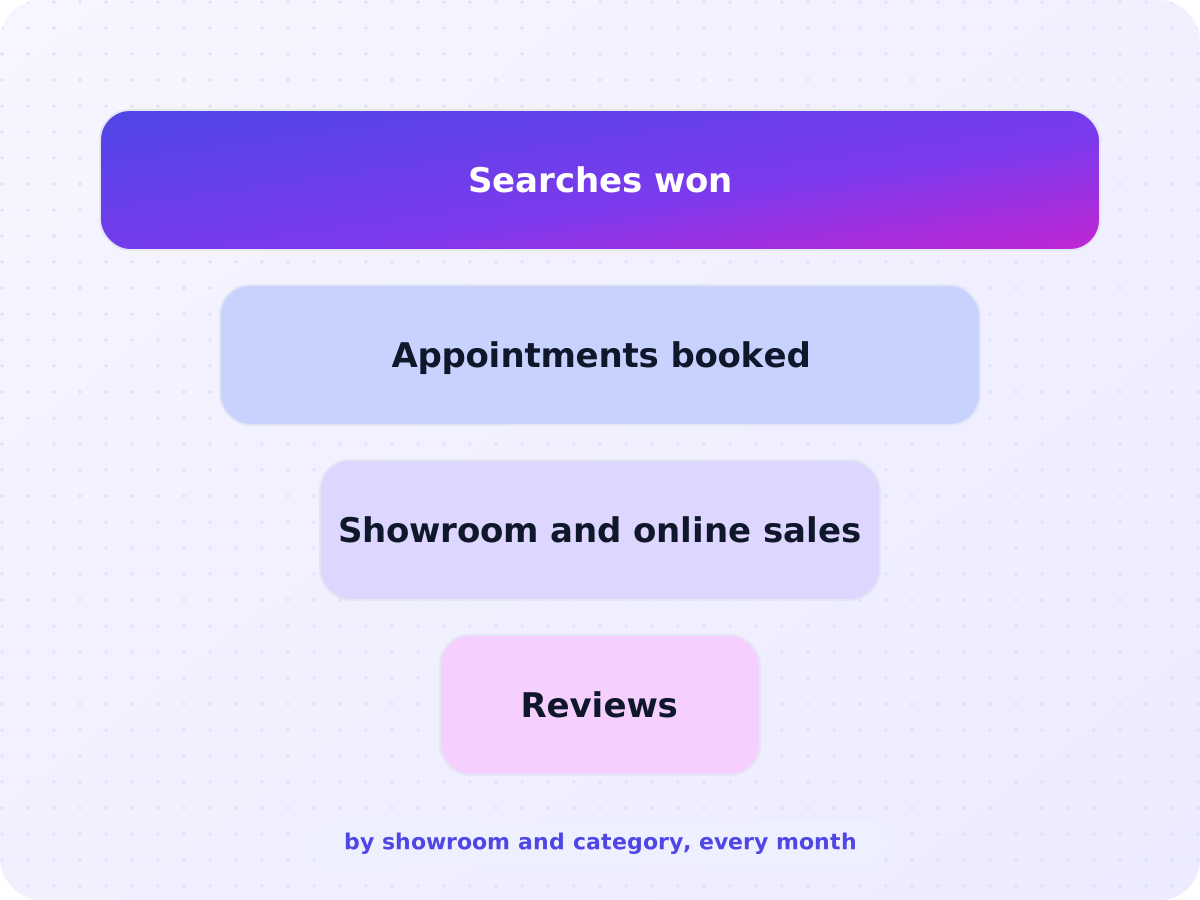
  • Monthly reports by showroom and category: searches won, appointments, sales and reviews.

What you receive

DeliverableFormatWhy it matters
Jewelry topical mapGoogle Sheet

Every piece, detail, service and showroom, matched to one page.

Site and local auditGoogle Sheet and Loom video

Technical issues, duplicate URLs, filters, Google Business Profiles and content gaps.

Product wording checklistGoogle Doc

Lab-grown and natural wording, metals, treatments and pearls, based on the FTC Jewelry Guides.

Category, product and service pagesGoogle Docs or edits in your store

Researched, written and checked against your real stock and services.

Redirect mapGoogle Sheet

When you're moving platforms or fixing an old move.

Review processOne-page setup and message templates
Monthly reportLooker Studio and Loom video

Appointments, sales and searches won by category and showroom.

How it works, step by step

  1. Access and audit

    Weeks 1 to 2

    You share Search Console, analytics, your store admin and Google Business Profiles. I audit the site, product data and competitors near each showroom.

  2. Topical map

    Weeks 2 to 3

    We pick the categories and services with the best margins and the most room to win.

  3. Fix the foundation

    Weeks 3 to 6

    Redirects, duplicate URLs, product wording, profile cleanup and tracking.

  4. Build pages

    From week 4

    Category, product and service pages in priority order, with bridal pages ready before the holidays.

  5. Reviews and links

    From week 6

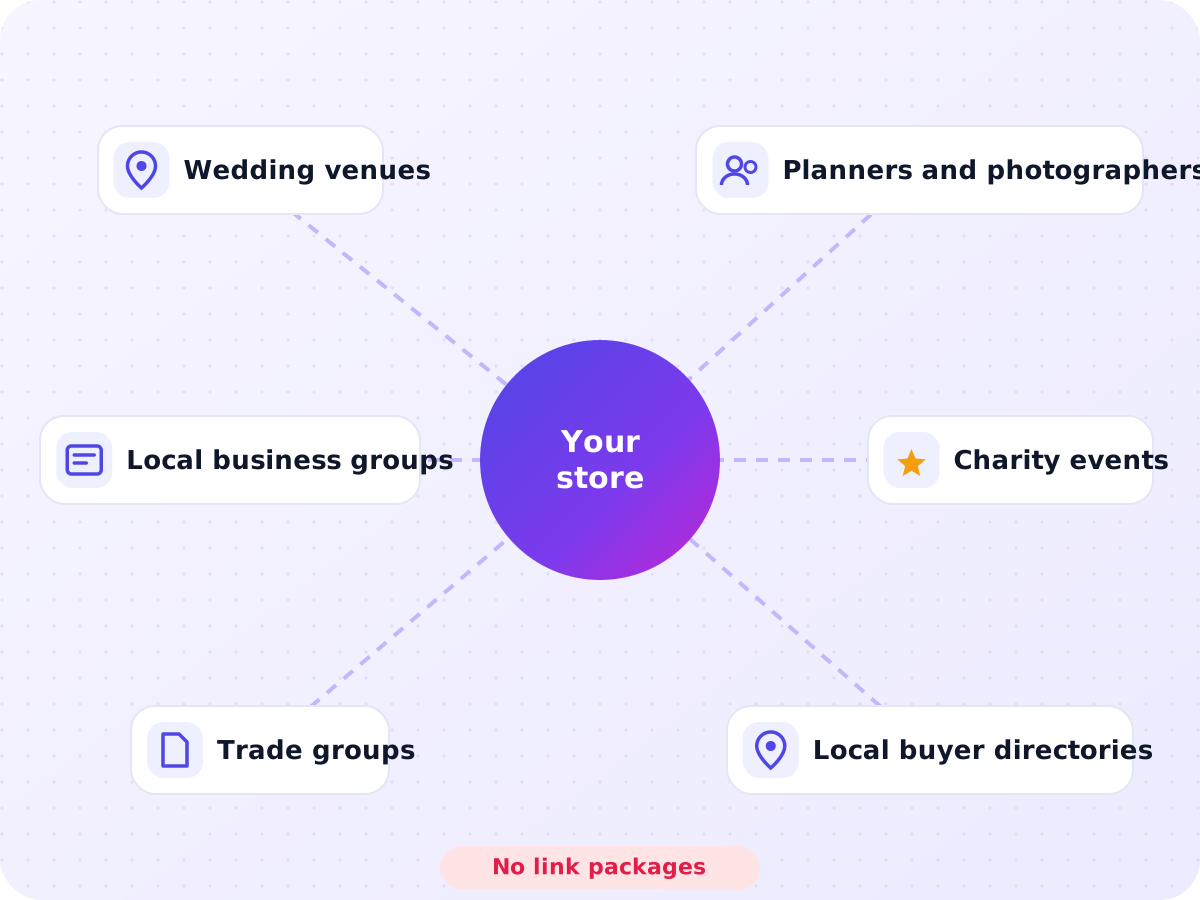
    The review process starts; partner outreach begins.

  6. Measure and adjust

    Monthly

    Appointments and sales by category decide where the next month's work goes.

Ways to work together

Option 1

Jewelry SEO audit

Site, product data, local and competitor audit, topical map and a prioritized plan.

Option 2

Monthly jewelry SEO

Everything in the audit, plus monthly pages, local work, reviews, links and reporting.

Option 3

Migration support

A redirect map and checks before and after a platform move, or a cleanup after one.

Who this is for, and who it isn't

A good fit if you

  • run one or several jewelry stores or an online jewelry brand
  • can share sales or booking data
  • want pages that are accurate about every stone and metal

Not a good fit if you

  • want lab-grown stones sold as "diamonds" with no qualifier
  • want fake reviews
  • want pages for cities where you have no store and don't ship

Jewelry SEO questions

How long does jewelry SEO take?

Profile, wording and technical fixes can help within weeks. New category pages usually take three to six months to rank, longer for broad bridal searches in big cities. No one can guarantee rankings.

Can a local jeweler beat the chains?

Often, for searches near your showroom and for custom, repair and gold buying work. Broad national searches are much harder, so the plan starts where you can win.

Should lab-grown and natural diamonds have separate pages?

Yes. Buyers search for them separately, and the FTC Jewelry Guides require lab-grown stones to be clearly named.

Do you work with Shopify stores?

Yes, and with WordPress and WooCommerce. I've cleaned up after a jewelry store's move from WordPress to Shopify, mapping 294 broken old URLs to live pages.

Do you work with jewelers outside the US?

Yes. The method works anywhere, with local disclosure rules and spelling checked first.

Do you write the content?

Yes. I research and write every page, and check it with you against your real stock, prices and policies.

Are you a jewelry marketing agency or SEO company?

I'm a consultant, not an agency. You work directly with the person researching, writing and measuring your pages.

Find out which buyers your website is missing.

Send me your site and your showroom locations. In 1 to 2 days you get a short video and a written summary with the 3 fixes that matter most.

Get my free 3-fix review