Moving Company SEO Services

People rarely search for just "movers". They search for apartment movers in their neighborhood the week their lease ends, an office relocation team that works weekends, or a long-distance mover with a real USDOT number. I build moving company websites around those real searches, one move type and one area at a time, and I track which pages bring in booked jobs.

I've done SEO for house, office and storage movers in Dubai, Abu Dhabi and across the UAE. For US movers, I use the same method and build in the federal rules.

  • 6+ years of experience
  • 30+ clients served
  • Completed Koray's Topical Authority course

Signs your moving company is losing jobs in search

  • Competitors fill the map pack in your own city, some with listings you've never heard of.
  • One "services" page lists every move type with a paragraph each.
  • Your city pages are copies with the city name swapped.
  • Most of your jobs come from lead sites that sell the same customer to several movers.
  • Reviews come in bursts after big jobs, then stop.
  • Your USDOT number or license is hard to find on your site.
  • You get plenty of quote requests in summer and almost none in winter.

A topical map built around how people move

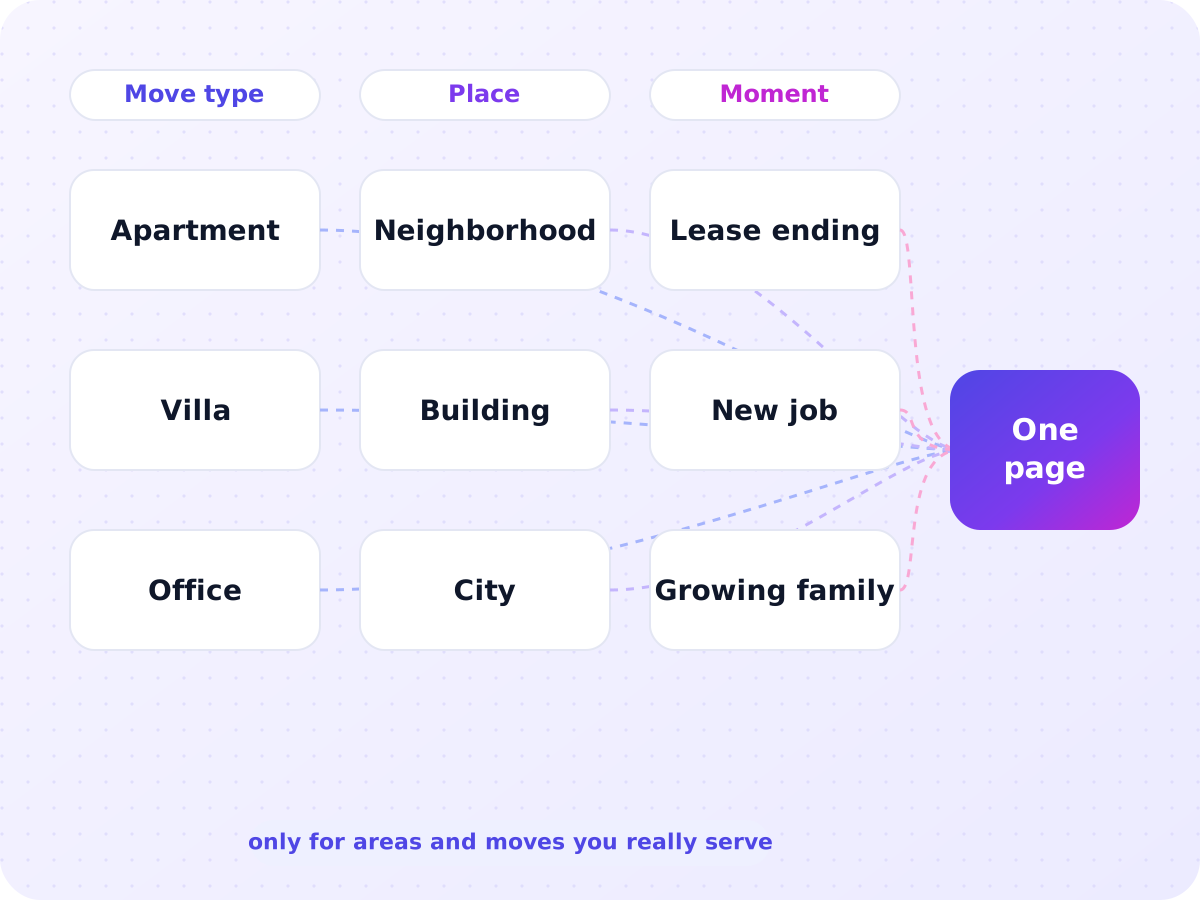
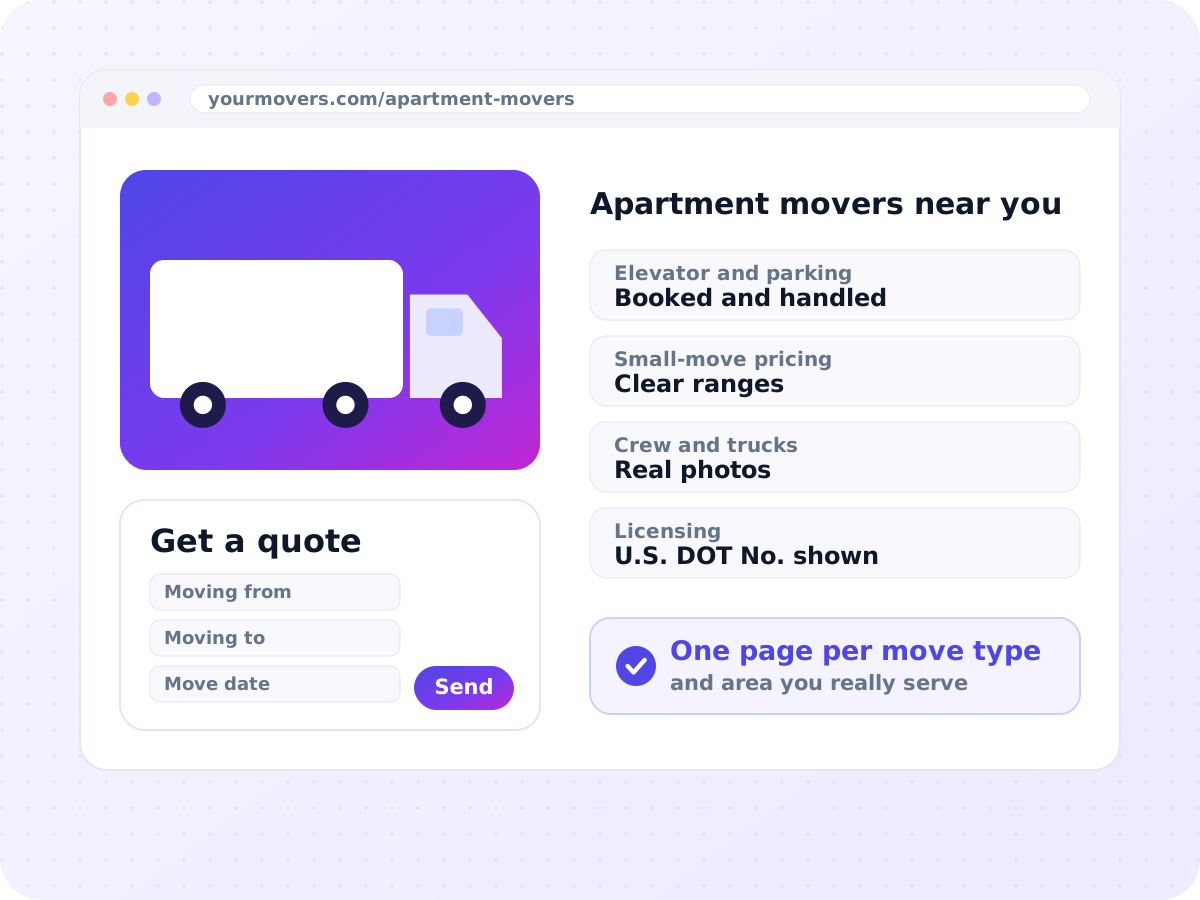
Every move is a mix of three things: the move type (an apartment, a villa, an office), the place (a city, a neighborhood, a building), and the moment (a lease ending, a new job, a growing family). I map those searches and give each one a single page that answers what the customer needs before calling: what's included, how long it takes, what it costs, and what you need from them. Area pages are written for that place, with its real details: building access, parking, elevator bookings, permits and typical homes. Pages exist only for areas you really serve and moves you really do. That is the semantic SEO method behind all my work; more on my Semantic SEO page.

SEO for every type of move

Here's how each kind of move is searched, and what gets the call.

Local moves

  • How customers search: "movers near me" and "movers in [neighborhood]", often on mobile, a few weeks before the move.
  • What wins: the map pack, area pages with real local detail, clear hourly or flat pricing, and fast quotes.
  • Watch out for: fake listings in the map pack. Report them, and outrank them with a complete profile and steady reviews.

Long-distance and interstate moves

  • How customers search: by route and by trust: "movers from [city] to [state]", "long-distance movers", "best interstate moving company".
  • What wins: route pages for the routes you actually run, your USDOT number shown clearly, and honest pricing ranges by distance and home size.
  • Watch out for: customers who have read about moving scams. Licenses, real trucks and real crew photos decide the call.

Apartment and condo moves

  • How customers search: by building type and urgency: studio, one-bedroom, high-rise, "lease ends this week".
  • What wins: pages that explain elevator bookings, building rules, parking and stairs, with sizes and prices for small moves.
  • Watch out for: tiny, low-margin jobs. Make small-move pricing clear so the right customers call.

House and villa moves

  • How customers search: by home size: "3-bedroom house movers", "villa movers", "full-service moving".
  • What wins: pages by home size with what's included, crew and truck sizes, timelines and price ranges.
  • Watch out for: confusing full-service and labor-only moves. Customers need to know exactly what they get.

Office and commercial moves

  • How customers search: as businesses: "office movers", "commercial relocation", "IT equipment moving", often by industry.
  • What wins: pages for after-hours and weekend moves, IT and server handling, project planning, and industry-specific pages for offices like clinics, schools or banks.
  • Watch out for: a longer decision with several people involved. Track site visits and proposals, not just calls.

Packing and unpacking

  • How customers search: as an add-on or alone: "packing services", "packers and movers" (common in the UAE), "unpacking help".
  • What wins: a clear list of what's packed, the materials used, and price per room or per hour.
  • Watch out for: packing pages that compete with your main moving pages. Each needs its own clear intent.

Storage as part of a move

  • How customers search: "moving and storage", "storage between moves", "short-term storage for furniture".
  • What wins: one clear page on storage as part of your moves: how it works, how items are protected, and how long it can last.
  • Watch out for: competing with self-storage facilities on their searches. For a storage-first business, see Self Storage SEO.

Specialty items

  • How customers search: by item: piano movers, art and antique movers, safe movers, pool table movers.
  • What wins: one page per item you really move, with the equipment, crating and insurance you use.
  • Watch out for: listing items you subcontract without saying so.

Senior moves

  • How customers search: often adult children for a parent: senior moving services, downsizing help, moving to assisted living.
  • What wins: pages written for the family member, with patience, sorting and setup help explained.
  • Watch out for: generic copy. These customers want a team they trust with a parent.

International moves

  • How customers search: by route and country: "international movers to [country]", "overseas shipping of household goods".
  • What wins: route pages, customs and documents explained, door-to-door timelines, and sea and air options.
  • Watch out for: promises about customs you can't control. Explain what the customer must prepare.

Military moves

  • How customers search: service members and families searching for help with a government-arranged move or a self-move.
  • What wins: clear pages on what you handle and how you work with the official process.
  • Watch out for: implying approval or partnership with a government program you don't have.

Same-day and last-minute moves

  • How customers search: urgently, by phone: "same day movers", "last minute movers", "emergency movers".
  • What wins: honest availability, a phone number that's answered, and pages that load fast.
  • Watch out for: ranking for urgent searches you can't serve. Unanswered calls waste the click and hurt your reviews.

Assembly, handyman and junk removal add-ons

  • How customers search: furniture assembly, TV mounting, junk removal after a move.
  • What wins: short add-on pages linked from every move type page, with clear prices.
  • Watch out for: spreading too thin. Keep the focus on the moves themselves.

More on each industry I work in: Industries.

Google Business Profile and the map pack for movers

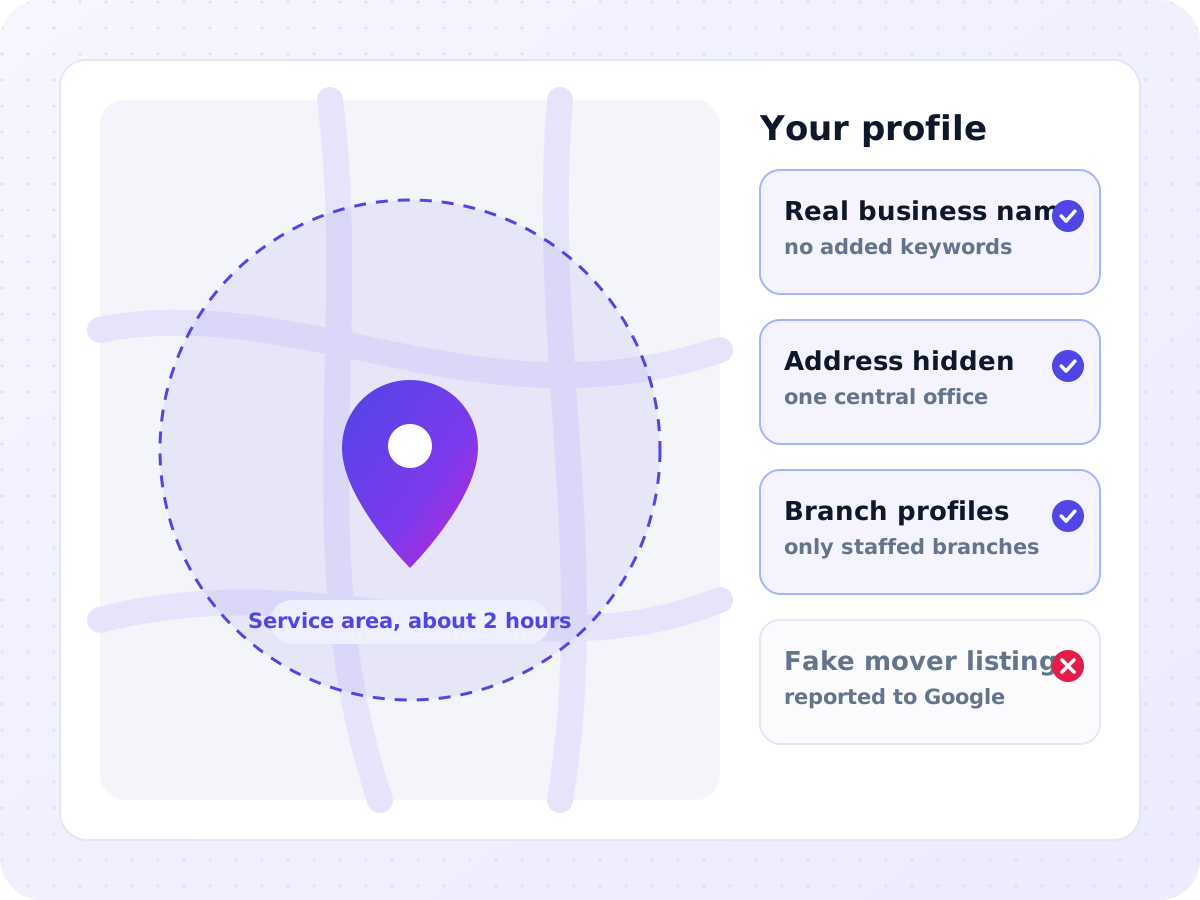
For local moves, the map pack decides who gets the call. Most movers are service-area businesses: Google's rules say they should show one central office, hide the street address and list service areas within about two hours' drive. I set your profile up that way, with the right primary category, your real business name with no added keywords, real photos of crews and trucks, and a separate verified profile and page for each real branch that's staffed during business hours. Long-distance routes belong on your website, not in your profile's service areas. When fake mover listings take map spots, I report them through Google's own channels. More: Local SEO.

Licenses and trust signals customers check

Moving fraud is a known risk, so customers check before they call, and Google rewards pages that show who you are. For interstate movers in the US, federal rules require some of this on the site:

  • Your USDOT number

    in every advertisement, in the form "U.S. DOT No." followed by the number. On the website: the footer, quote pages and contact page.

  • A prominent link to FMCSA's "Ready to Move?" brochure,

    which federal rules require on interstate mover websites.

  • Your MC number,

    if FMCSA has issued one, and your state license number where your state requires it in ads.

  • Valuation and insurance

    explained in plain words, so customers know what's covered.

  • Real crew and truck photos,

    your office address if you have one, and years in business.

In the UAE, the same trust comes from showing your trade license, your fleet and your in-house team. I'm not a lawyer; confirm your own obligations with the FMCSA or your local authority.

Brokers and movers, clearly separated

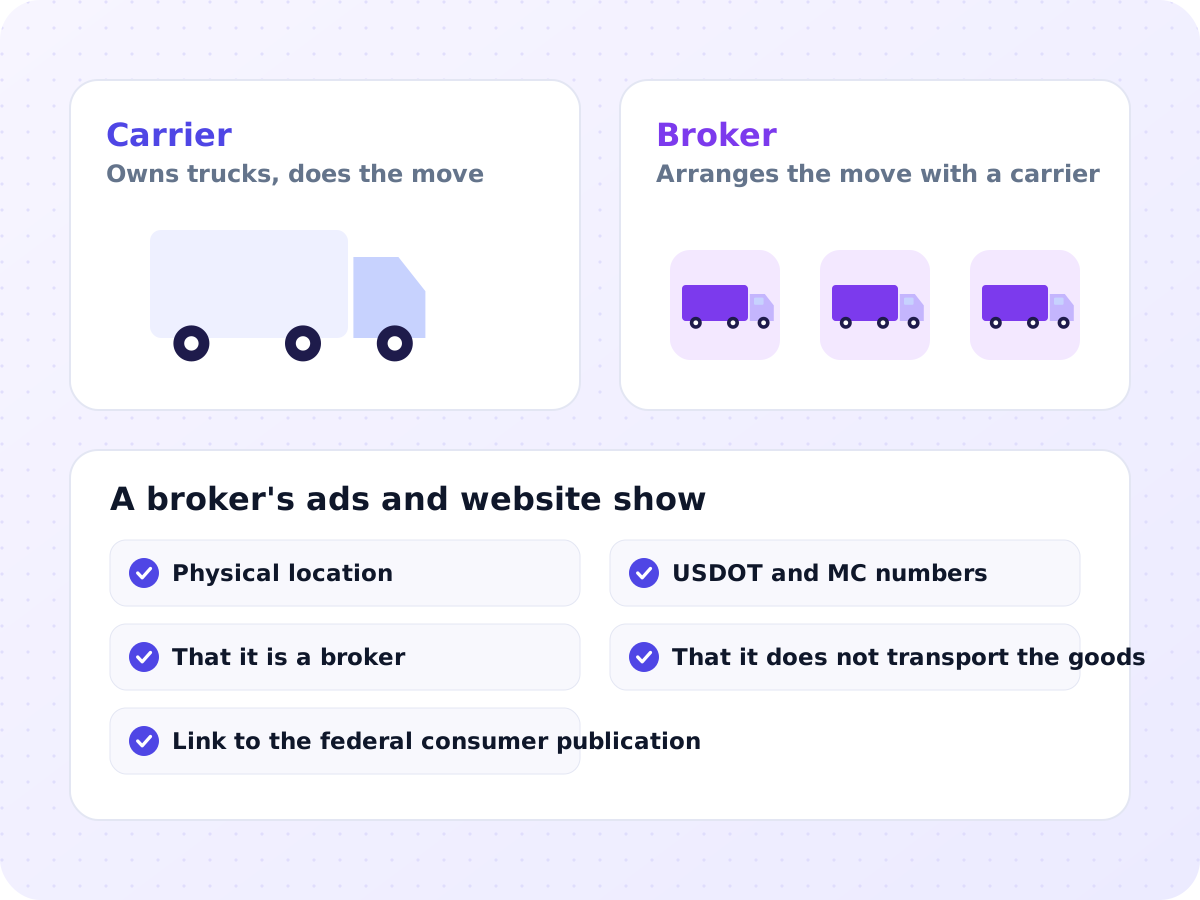
Some moving companies own trucks; others are brokers who arrange moves with carriers. Both can rank, but customers and federal rules both expect clarity. A broker's website must link the federal consumer publication and must not present the business as the mover itself. I write pages that say plainly who does the move. Federal rules also require a broker's ads and website to show its physical location, USDOT and MC numbers, that it is a broker, and that it does not transport the goods itself.

Cost pages that win the click

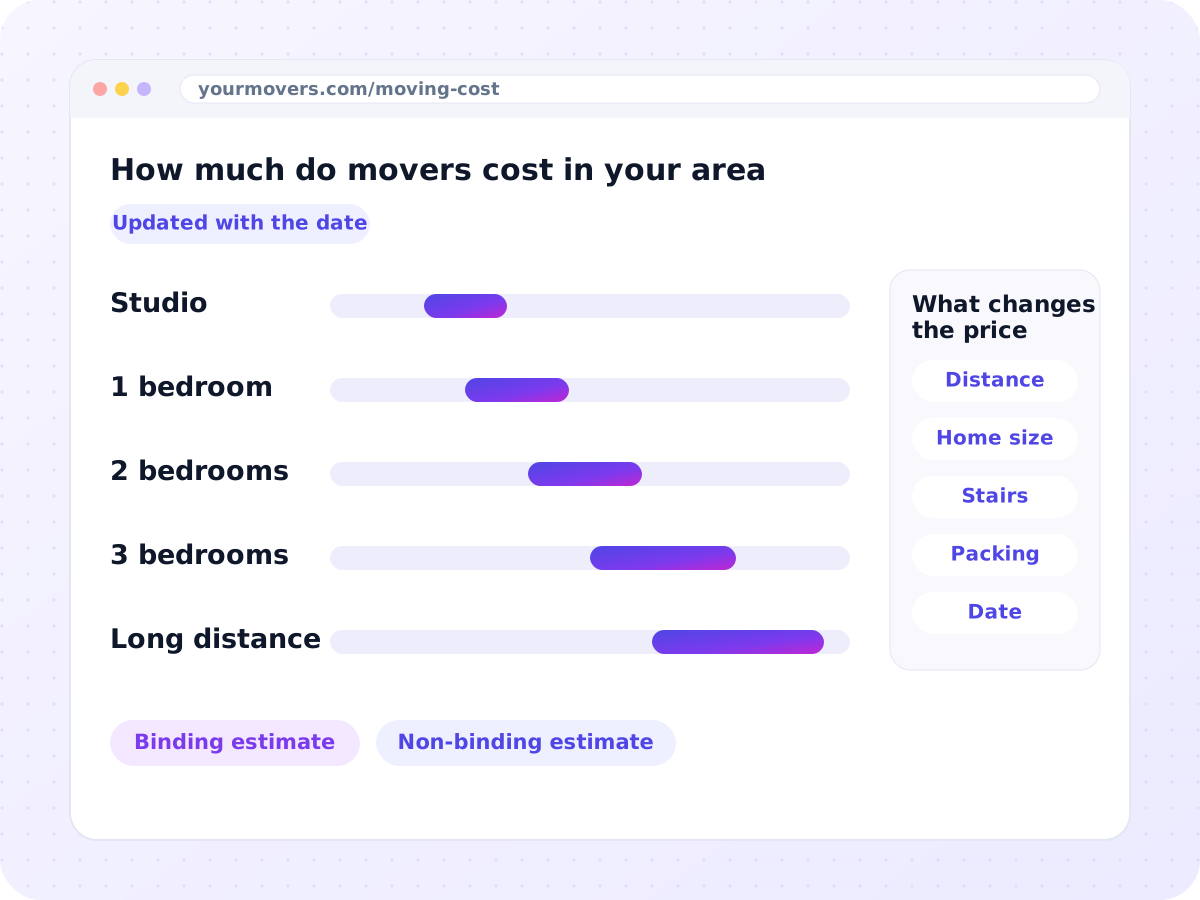
"How much do movers cost" is a question almost every customer asks before a move. Cost pages also explain binding and non-binding estimates, and the two valuation options US interstate movers must offer. A clear cost page for your area, with price ranges by home size and distance, what changes the price, and the date it was updated, wins clicks and earns trust. Customers who read it call with realistic expectations, and your team spends less time on quotes that go nowhere.

Reviews collected the right way

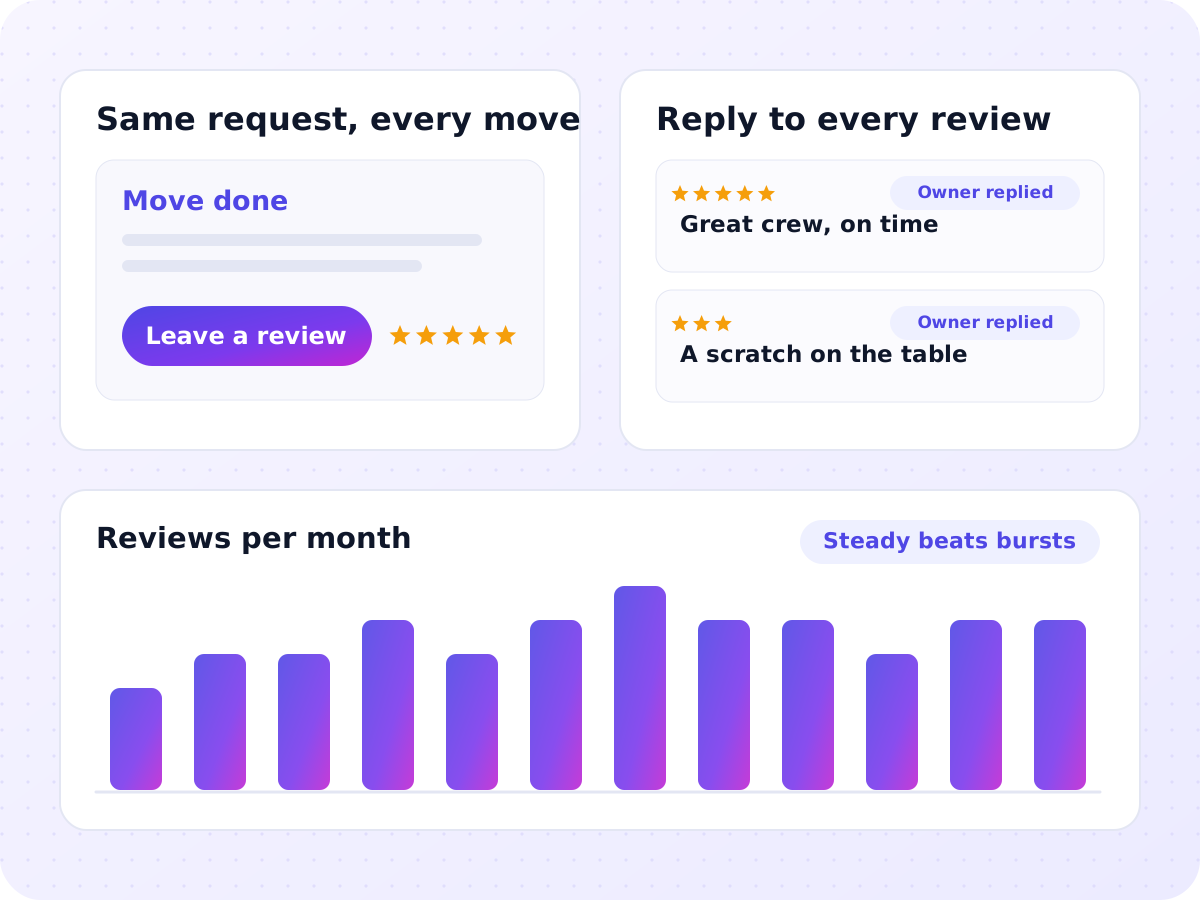
Reviews help in the map pack, and moving customers read them closely. Google bans gating and paid reviews, and the FTC's fake review rule bans rewards tied to positive reviews. So I set up a simple process: every customer gets the same request after the move, through one link, with no filtering, no rewards and no scripts for crews. A steady flow helps more than bursts, and replying to every review, good or bad, shows customers how you handle problems.

Your own leads instead of shared ones

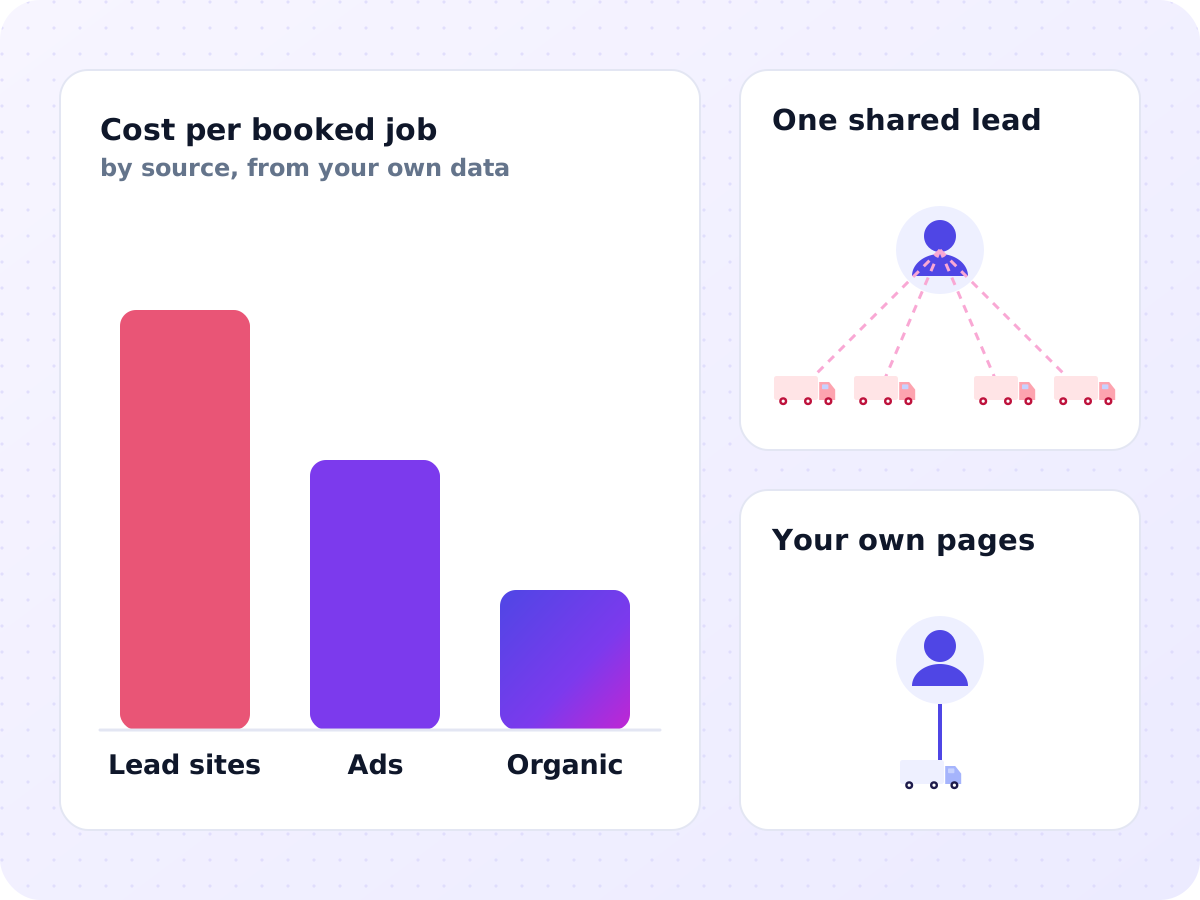
Lead sites often sell the same customer to several movers, so you compete on price before you've even called. I track your cost per booked job from each source: lead sites, ads and organic search. As your own pages start ranking, you can cut the lead sites that cost the most per booked job, not just the most per lead.

Planned around moving season and crew capacity

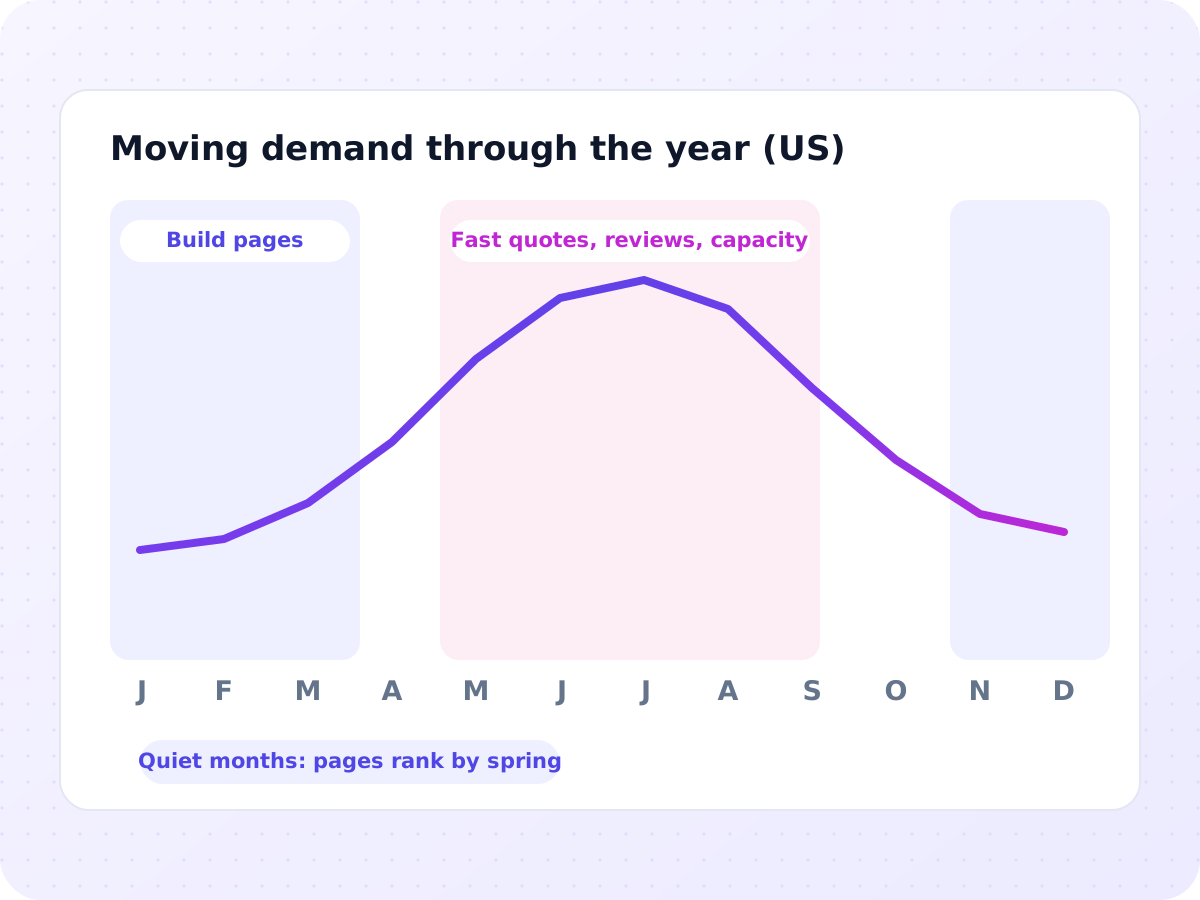
In the US, moving demand peaks in late spring and summer. I build and improve pages in the quieter months, so they rank when demand rises. During peak season, the focus moves to fast quotes, reviews and capacity: there's no value in winning searches for dates your crews are already booked. Off-peak, pages for flexible dates and off-season offers keep crews busy.

SEO for movers in Dubai, Abu Dhabi and the UAE

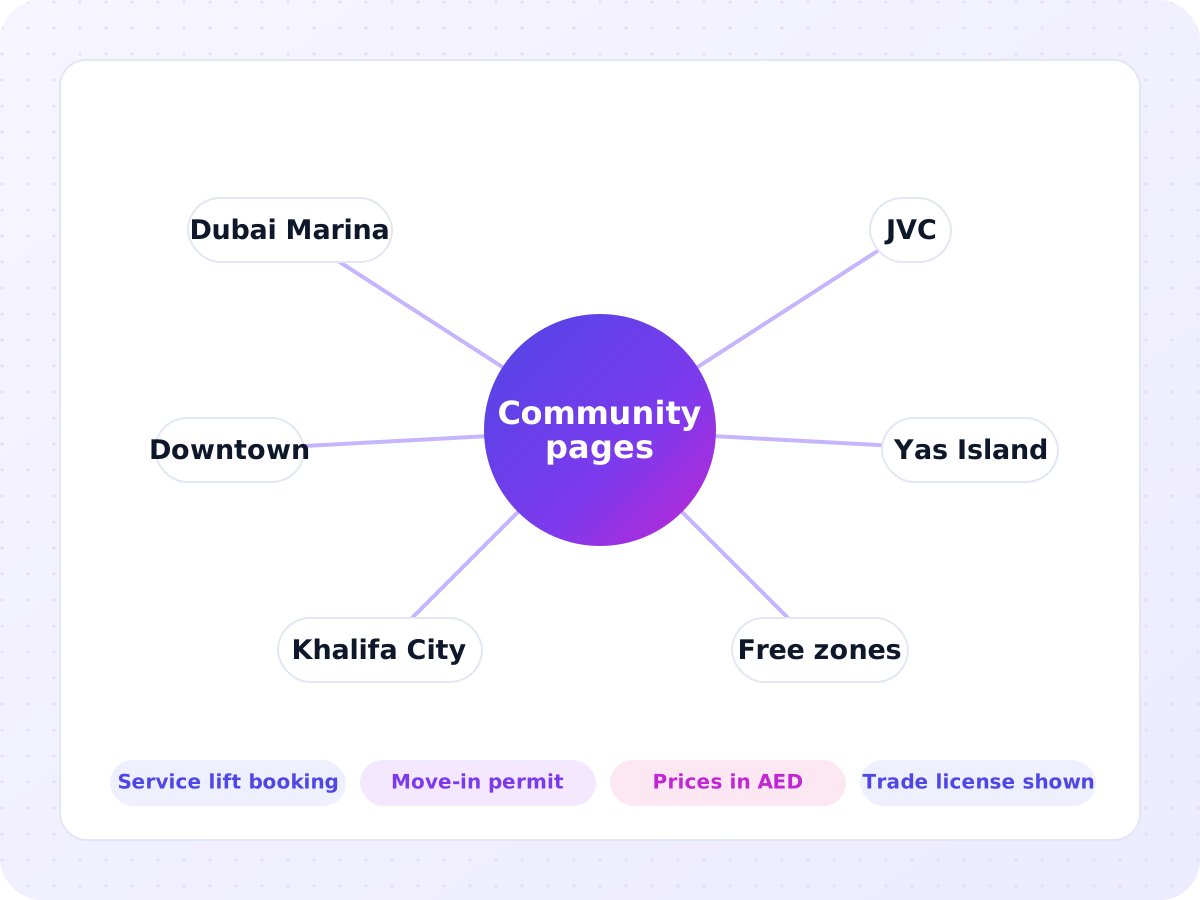
Much of my moving experience comes from the UAE, where customers search by community and building: Dubai Marina, JVC, Downtown, Yas Island, Khalifa City. Each community page covers what matters there: villa or apartment, building move-in rules and permits, service lift bookings, parking, and typical move sizes and prices in AED. Office movers get pages by free zone and business district, and WhatsApp is the main contact path. The method is the same as for US movers; the details are local.

A fast site that turns visits into quotes

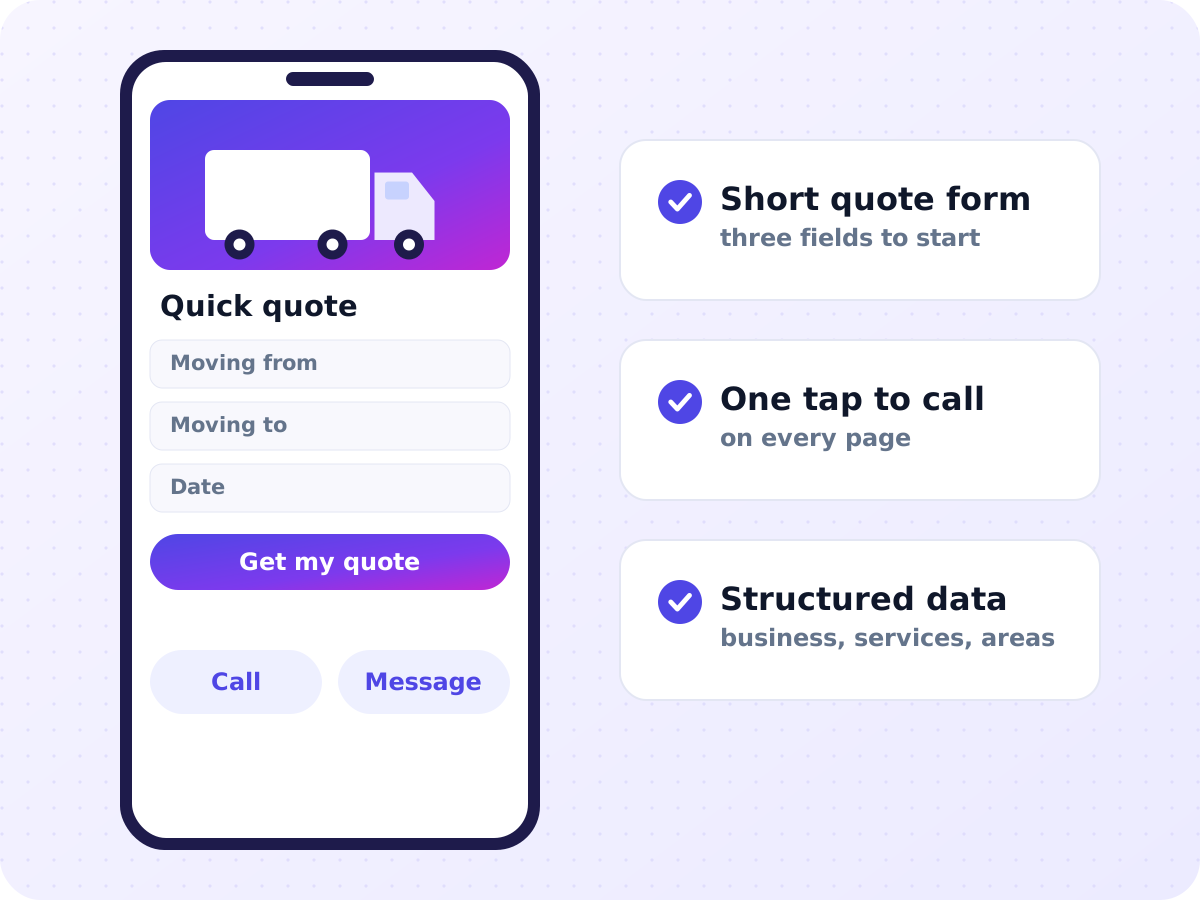
Most moving searches happen on phones. I fix speed and mobile layout, make the quote form short, and put call or WhatsApp one tap away on every page. Structured data describes your business, services and areas accurately. More: Technical SEO. When customers ask ChatGPT or Google's AI Mode for a mover, AI tools tend to repeat facts that match across the web, so I keep yours accurate everywhere; more on AI Search Optimization.

SEO and ads planned together

SEO takes months. Google Ads and Local Services Ads bring calls now, and Meta ads keep you in front of local people and past site visitors. I plan them from the same search data, so ads test which move types and areas book well before we invest in pages for them. More: Google Ads and Facebook Ads.

Measured in booked jobs, not traffic

  1. Calls, forms and WhatsApp messages tracked by page, move type and area.

  2. Leads matched to your CRM or moving software, so you see which became booked jobs.

  3. Cost per booked job by source: organic, ads and lead sites.

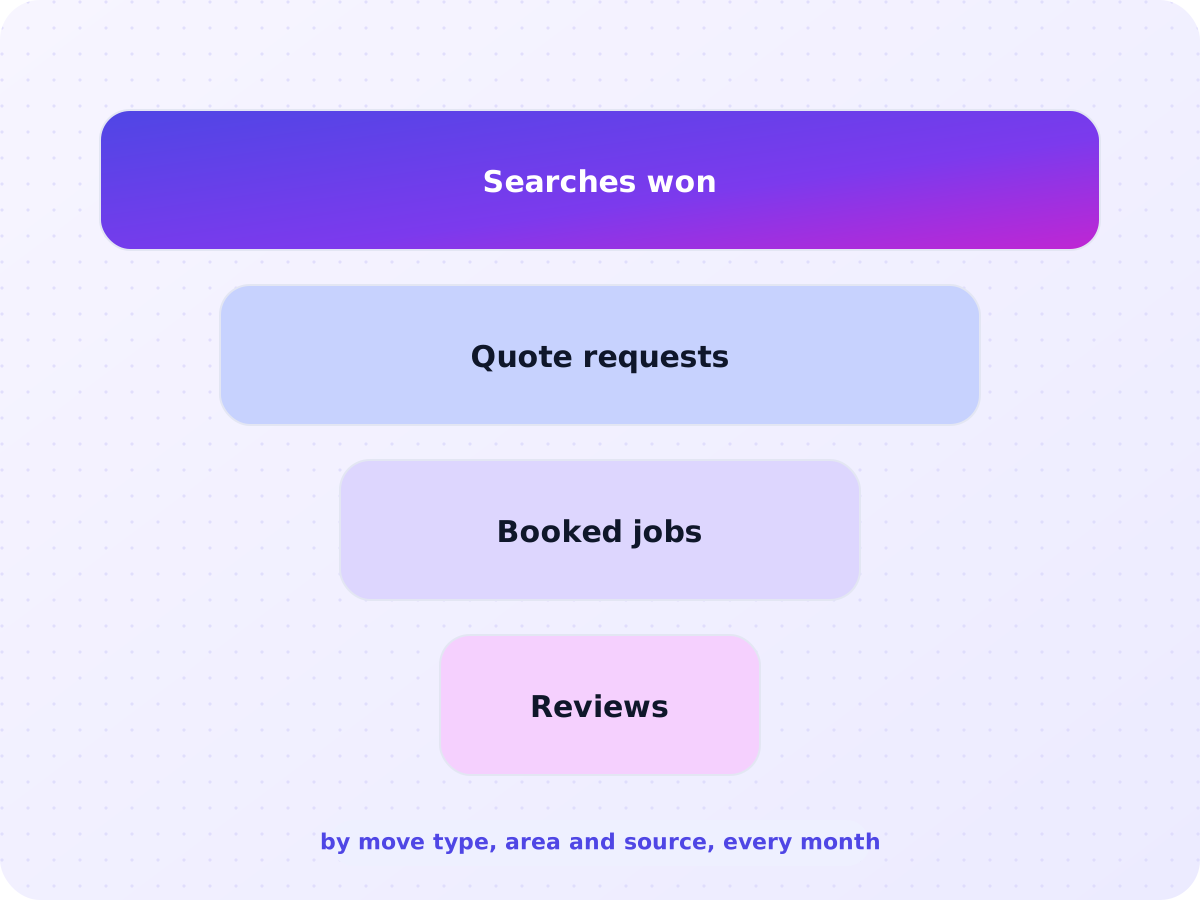
  4. Monthly reports by move type and area: searches won, quote requests, booked jobs and reviews.

What you receive

DeliverableFormatWhy it matters
Move type and area mapGoogle Sheet

Every move type, area and moment, matched to one page.

Site and local auditGoogle Sheet and Loom video

Technical issues, Google Business Profiles, listings, fake competitor listings and content gaps.

Trust checklistGoogle Doc

USDOT, FMCSA and license items for your site, or the UAE equivalents.

Move type, area and cost pagesGoogle Docs or edits in your CMS

Researched, written and checked against your real services and prices.

Review processOne-page setup and message templates
Link planGoogle Sheet

Local partners like real estate agents, building managers and storage facilities.

Monthly reportLooker Studio and Loom video

Quote requests and booked jobs by move type, area and source.

How it works, step by step

  1. Access and audit

    Weeks 1 to 2

    You share Search Console, analytics, your Google Business Profiles and job data. I audit the site, listings and competitors in your areas.

  2. Move type and area map

    Weeks 2 to 3

    We pick the move types and areas that matter most for your crews, trucks and margins.

  3. Fix the foundation

    Weeks 3 to 6

    Technical fixes, profile cleanup, trust items, listings and call tracking.

  4. Build pages

    From week 4

    Move type, area and cost pages in priority order, timed before your busy season where possible.

  5. Reviews and links

    From week 6

    The review process starts; local outreach begins.

  6. Measure and adjust

    Monthly

    Booked jobs by move type and area decide where the next month's work goes.

Ways to work together

Option 1

Moving company SEO audit

Site, local and competitor audit, move type and area map, and a prioritized plan.

Option 2

Monthly moving company SEO

Everything in the audit, plus monthly pages, local work, reviews, links and reporting.

Option 3

Area and move type pages only

Researched pages your team can publish.

Who this is for, and who it isn't

A good fit if you

  • run a local, long-distance, office or international moving company
  • can answer calls quickly
  • track your booked jobs
  • want to depend less on lead sites

Not a good fit if you

  • want fake addresses or keyword-stuffed listings
  • want pages for areas you don't serve
  • can't take on more jobs this season

Moving company SEO questions

How long does moving company SEO take?

Profile and technical fixes can help within weeks. New area and move type pages usually take three to six months to rank, longer in big cities.

Can I rank in cities where I don't have an office?

Yes, in normal search results with genuinely local area pages. The map pack depends on where your business is based, so it's harder there.

Should I stop buying leads?

Not all at once. Track cost per booked job from each source, then cut the most expensive ones as your own pages bring in work.

What about fake movers in the map pack?

I report them through Google's own channels, and build your profile and reviews so you have a strong chance of ranking above them, even if they stay up.

Do I need my USDOT number on my website?

If you're a US interstate mover, federal rules require your USDOT number in your advertising, and a link to FMCSA's "Ready to Move?" on your website. Check your own obligations with the FMCSA.

Do you work with movers outside the US?

Yes. Much of my moving work is in Dubai, Abu Dhabi and across the UAE, and the method works for removals companies in other countries too.

Do you write the content?

Yes. I research and write every page, and check it with you against your real services, prices and areas.

Are you a moving company SEO agency?

I'm a consultant, not an agency. You work directly with the person researching, writing and measuring your pages.

Find out which moves your website is missing.

Send me your site and the areas you serve. In 1 to 2 days you get a short video and a written summary with the 3 fixes that matter most.

Get my free 3-fix review