Self Storage SEO Services

Renters search for something specific: a climate-controlled 10x10 near their new apartment, drive-up storage for a renovation, or a place to park an RV for the winter. I plan and write storage site pages around those searches, one storage type and one area at a time, so an independent facility can win renters from the national brands and listing sites.

I've done SEO and ads for self storage companies in Dubai, Abu Dhabi, Sharjah and Ajman. For US facilities, I use the same method and build in US pricing and review rules.

  • 6+ years of experience
  • 30+ clients served
  • Completed Koray's Topical Authority course

Signs your storage facility is losing renters in search

  • National brands and listing sites take every top spot for "storage units near me" in your own town.
  • Your unit prices load in a widget that Google can't read.
  • One "units" page lists every size with no detail.
  • Your advertised price leaves out the admin fee or required lock.
  • Reviews arrive when a manager remembers to ask, then stop for months.
  • Most new rentals come through a listing site that takes a cut.
  • You can't say which pages or searches brought in last month's move-ins.

A topical map built around how people rent storage

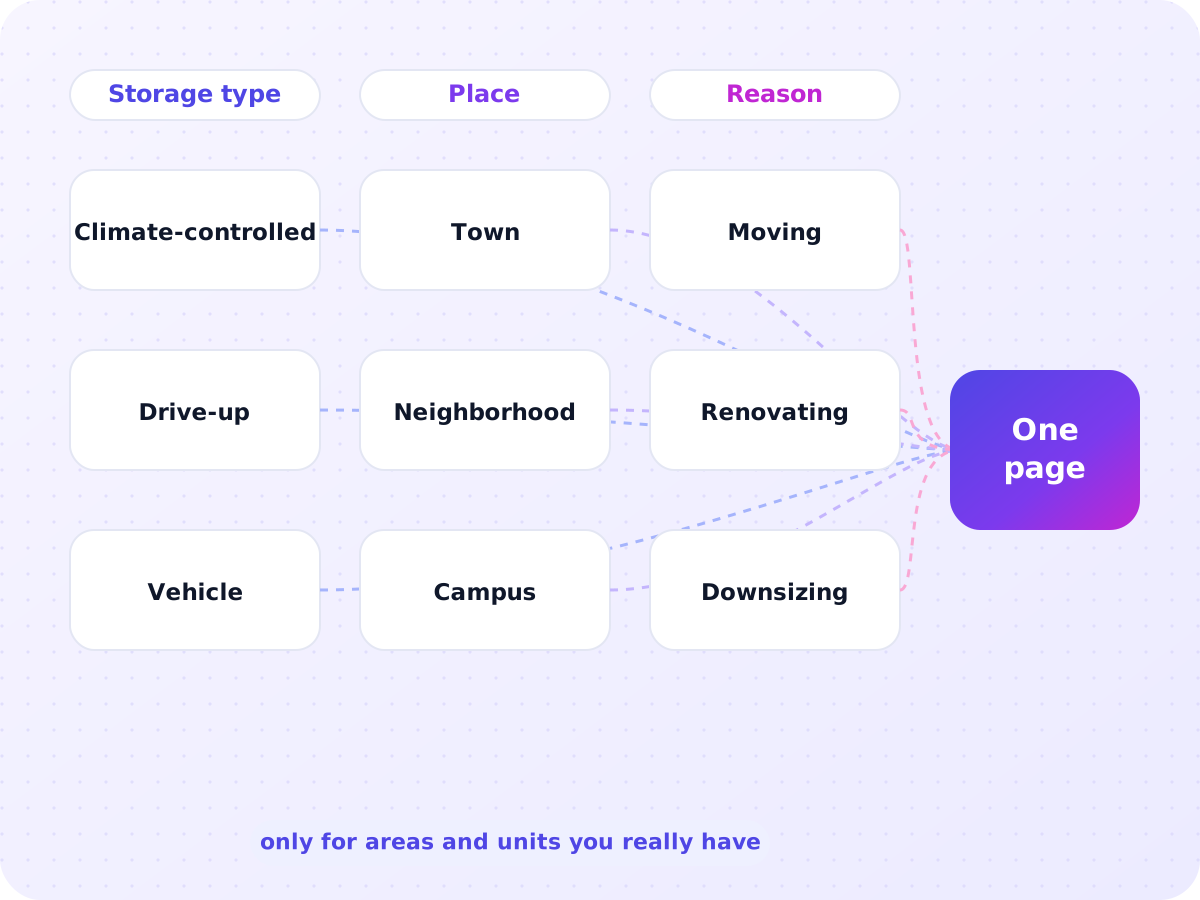
Every storage search mixes three things: the storage type (climate-controlled, drive-up, vehicle), the place (a town, a neighborhood, a campus), and the reason (moving, renovating, downsizing, holding business stock). I map those searches and give each one a single page that answers what a renter needs before booking: which size fits, what it costs, how access works and how the unit is protected. Pages exist only for areas you really serve and units you really have. Unit sizes are sections on each location page unless a size has enough unique detail for its own page, and campus pages exist only for schools your renters really come from. This is the semantic SEO method behind all my work; more on my Semantic SEO page.

SEO for every type of storage

Each type below shows the searches renters use and what the page needs.

Climate-controlled storage

  • How renters search: "climate controlled storage near me", often for furniture, documents, electronics or anything sensitive to heat and damp.
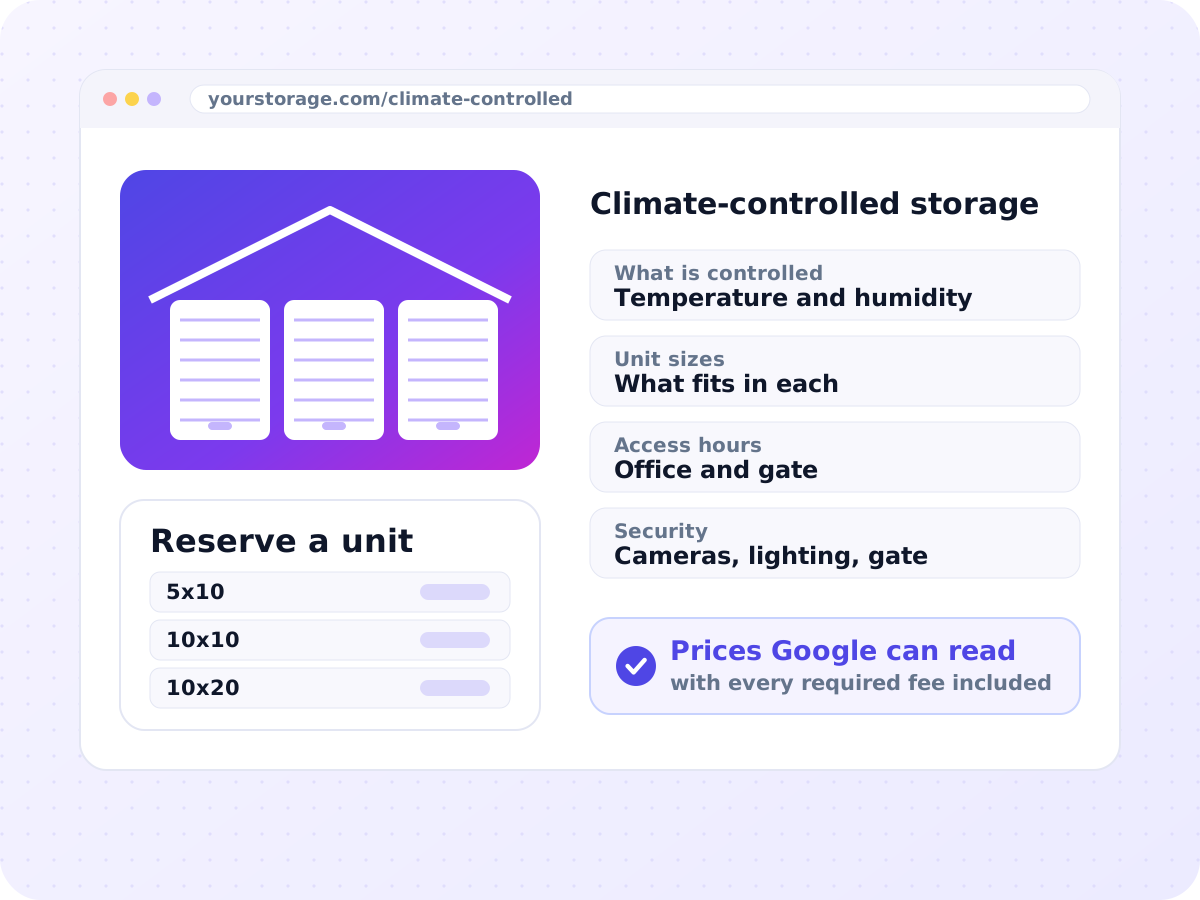
  • What wins: a page that says exactly what is controlled (temperature, humidity or both) and the range you hold, with real photos of the building.
  • Watch out for: calling units "climate controlled" when they only have air movement. Renters notice, and it shows in reviews.

Drive-up storage

  • How renters search: "drive up storage units", "outdoor storage units", usually for heavy items, tools or a quick move.
  • What wins: clear photos of the drive aisles, door sizes and access hours, plus prices next to each size.
  • Watch out for: mixing drive-up and indoor units on one page with no way to tell them apart.

Unit sizes

  • How renters search: by size: "5x10 storage unit", "10x10 storage", "10x20 storage near me".
  • What wins: one section or page per common size, showing what fits (a studio, a one-bedroom, a car), the current price and a booking button.
  • Watch out for: thin size pages that only change the numbers. Each needs real, useful detail.

Household and furniture storage

  • How renters search: "furniture storage", "storage for household items", often during a move or a family change.
  • What wins: pages on how furniture is protected, which size fits which home, and short-term and long-term options.
  • Watch out for: competing with your own unit size pages. Link them together and give each its own job.

Business and document storage

  • How renters search: as businesses: "business storage units", "document storage", "inventory storage for small business".
  • What wins: pages on deliveries accepted, business hours access, shelving, and invoices for accounting.
  • Watch out for: promising services such as records management you don't actually provide.

Vehicle, RV and boat storage

  • How renters search: "RV storage near me", "boat storage", "car storage", often seasonally.
  • What wins: pages for covered, uncovered and enclosed spaces, with sizes, access rules and security.
  • Watch out for: listing vehicle sizes you can't fit. Exact length limits prevent wasted calls.

Student storage

  • How renters search: "student storage near [university]", "summer storage for college students", by students and parents.
  • What wins: campus pages for the schools near you, with summer timing, small unit prices and pickup options if you offer them.
  • Watch out for: pages that go stale after the season. Update dates and prices each year.

Portable storage containers

  • How renters search: "portable storage containers", "moving containers delivered to my house", for a move or renovation at home.
  • What wins: pages on delivery areas, container sizes, how long renters can keep it, and moving it to a new address.
  • Watch out for: using another company's trademark, such as a brand name for containers, as if it were your product.

Pickup and delivery storage

  • How renters search: "storage with pickup", "we collect and store", common in the UAE and big cities.
  • What wins: a clear explanation of the process: pickup, inventory, storage and return, with prices per box or per space.
  • Watch out for: hiding how renters get items back, and what that costs.

Warehouse and commercial storage

  • How renters search: "warehouse storage", "commercial storage space", by businesses with pallets or stock.
  • What wins: pages on space sizes, loading access, forklifts, contracts and location.
  • Watch out for: mixing commercial warehouse offers with consumer storage pages.

Short-term storage during a move or renovation

  • How renters search: "short term storage", "storage during renovation", "storage between homes".
  • What wins: month-to-month terms, quick move-in, and links to local movers if you partner with them.
  • Watch out for: overlap with moving companies' pages. For movers who offer storage, see Moving Company SEO.

More on each industry I work in: Industries.

Competing with national brands and listing sites

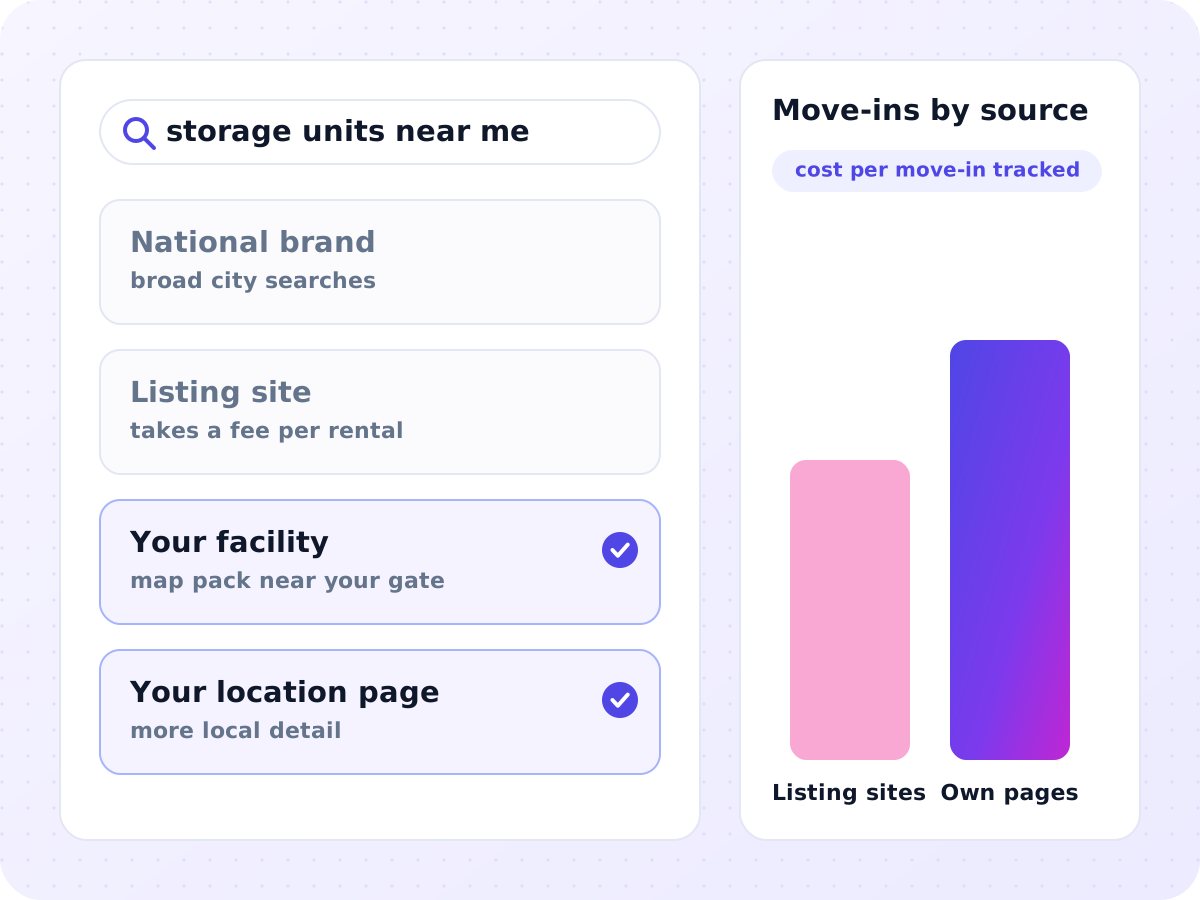
National brands have strong domains, and listing sites rank for almost every "storage units in [city]" search. An independent facility wins in three places they can't match: the map pack for searches near its gate, pages that answer local questions in more detail, and reviews from real local renters. Listing sites can still help fill units, but they take a fee or commission on each rental. I track how many move-ins each listing site brings and what they cost, so you can decide where they're worth it, while your own pages win more rentals directly.

Unit prices and availability Google can read

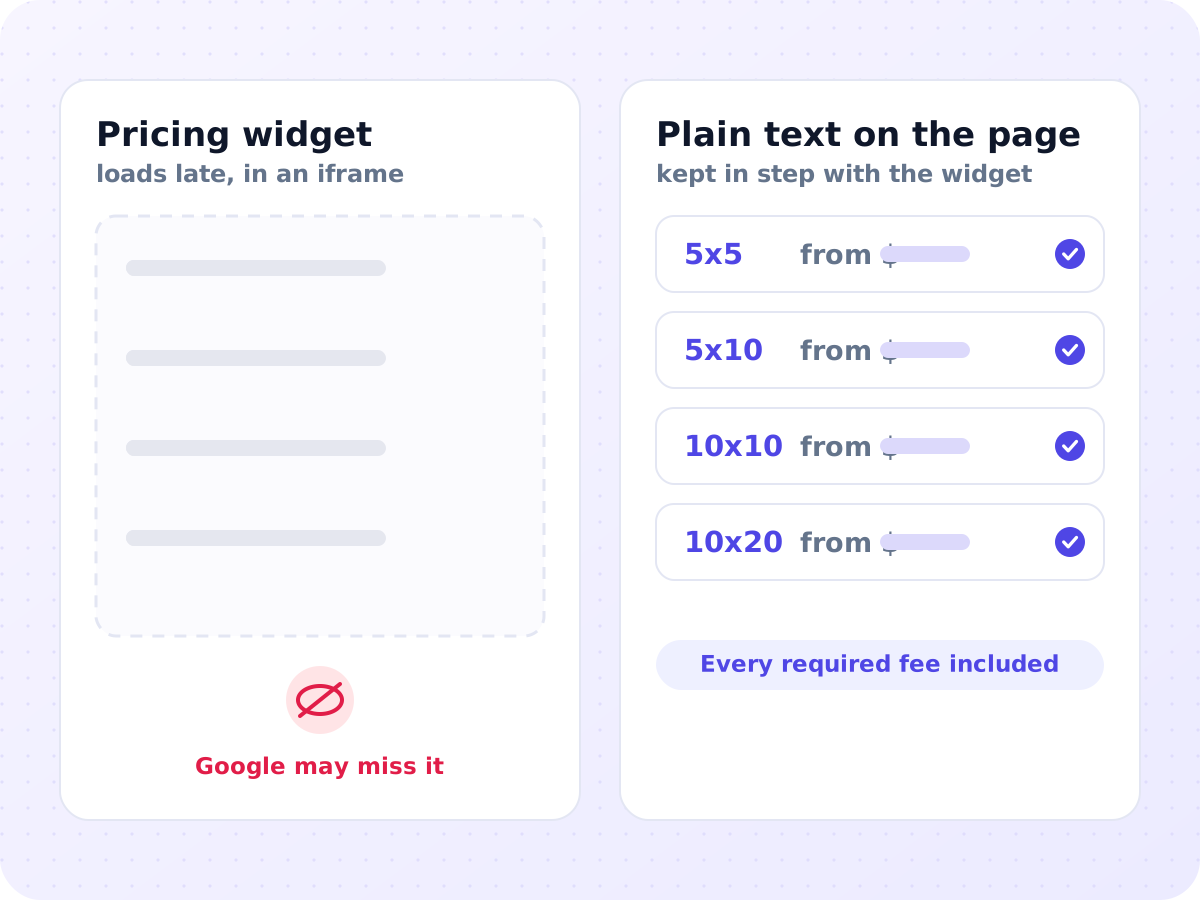
Most storage sites show unit sizes, prices and availability through a widget from their management software. Many load in an iframe or after the page loads, so Google may miss the prices or credit them to the software company's site. I check each location page in Search Console and add sizes and "from" prices as plain text where they're missing, kept in step with the widget.

Advertised prices also carry rules. In California, the honest pricing law requires the advertised price to include every mandatory fee, such as an admin fee or a required lock. Several other states, including Minnesota, Virginia, Colorado and Massachusetts, now have broad all-in pricing laws too. Rate pages are written so the price renters see is the price they pay; confirm the details with your own counsel.

Google Business Profile and the map pack for storage

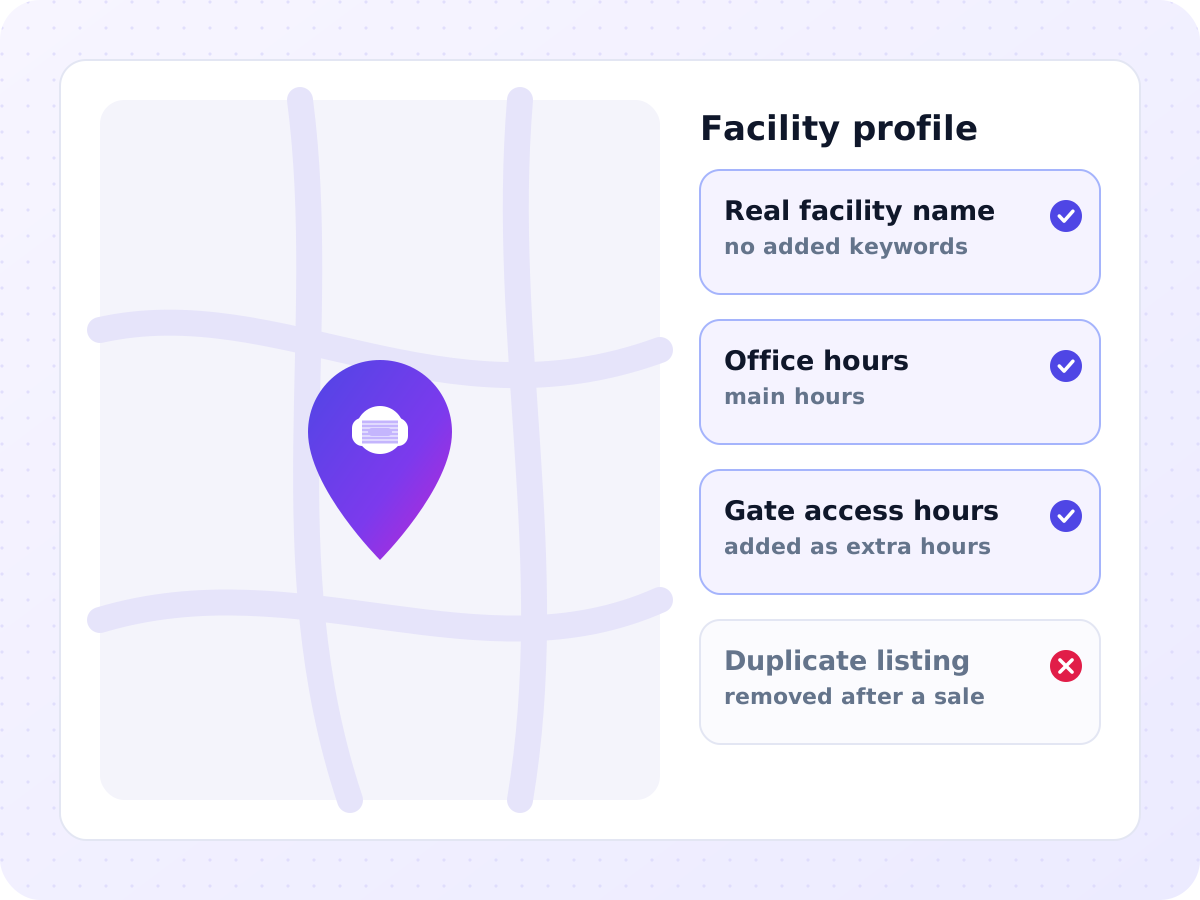
For storage, the map pack often decides who gets the rental. I set up each facility's profile the way Google's rules allow: one profile per real facility, your real business name with no added keywords, the right primary category, office hours as your main hours (gate hours if there's no office), gate access hours added where Google allows extra hours, and real photos of units, gates and offices. I also clear out duplicate listings left after a rebrand or sale, and listing-site phone numbers that sit on your profile. Each location gets its own page on your site, with its own address, sizes, prices and directions. More: Local SEO.

Reviews collected the right way

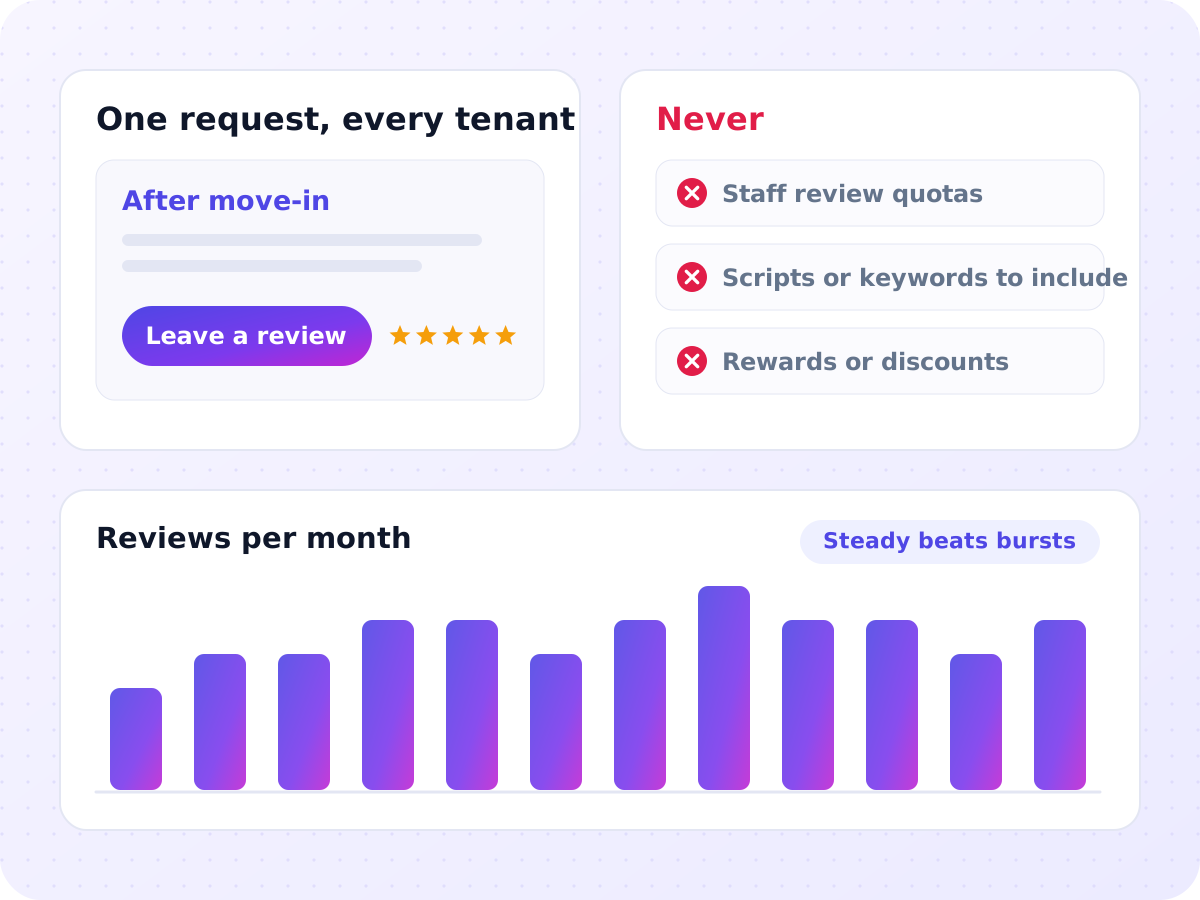
Renters read reviews closely, especially about cleanliness, security and how problems were handled. Google's April 2026 review policy update bans staff review quotas and asking renters to include specific content such as staff names or keywords, and paying or discounting for reviews was already banned. The FTC's fake review rule adds its own limits. So I set up one simple request sent to every tenant after move-in, with no scripts, no quotas, no rewards, and no sending requests only to tenants who rated you well first. Replying to every review, good or bad, shows renters how you handle issues.

Security and trust signals renters check

People store things they care about, so they want proof before they book:

  • Real photos and short videos of gates, cameras, lighting, hallways and units.

  • Access hours, gate codes and how access works, explained clearly.

  • Protection plans or insurance requirements, explained in plain words.

  • Your business license and, in the UAE, your trade license.

  • Clear contact details and office hours for each location.

Lien auctions kept separate from rentals

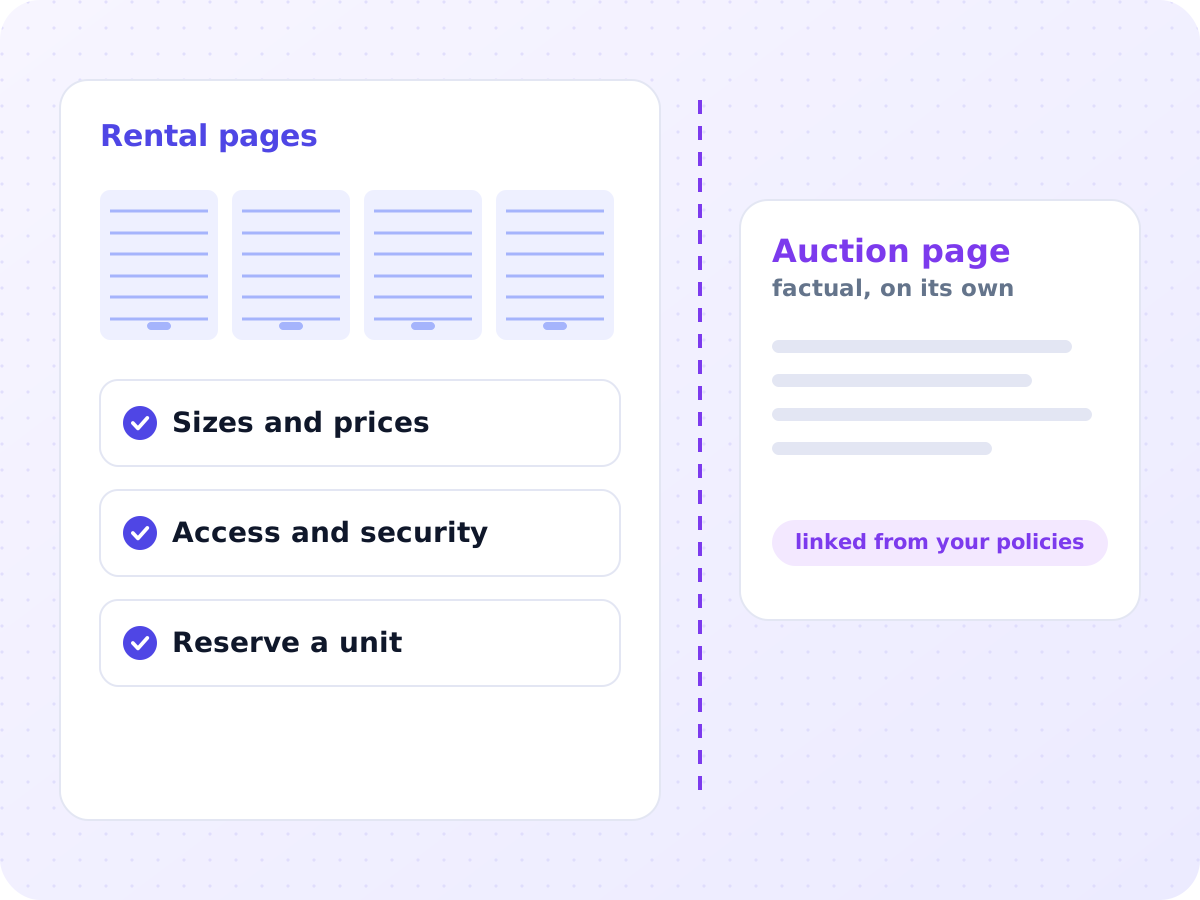
Lien auctions follow state law, and auction pages can attract bargain hunters rather than renters. I keep any auction information factual, on its own page or as a link to the auction site you use, and linked from your policies rather than from your rental pages, so it doesn't pull in the wrong traffic or confuse renters.

SEO for storage in Dubai, Abu Dhabi and Sharjah

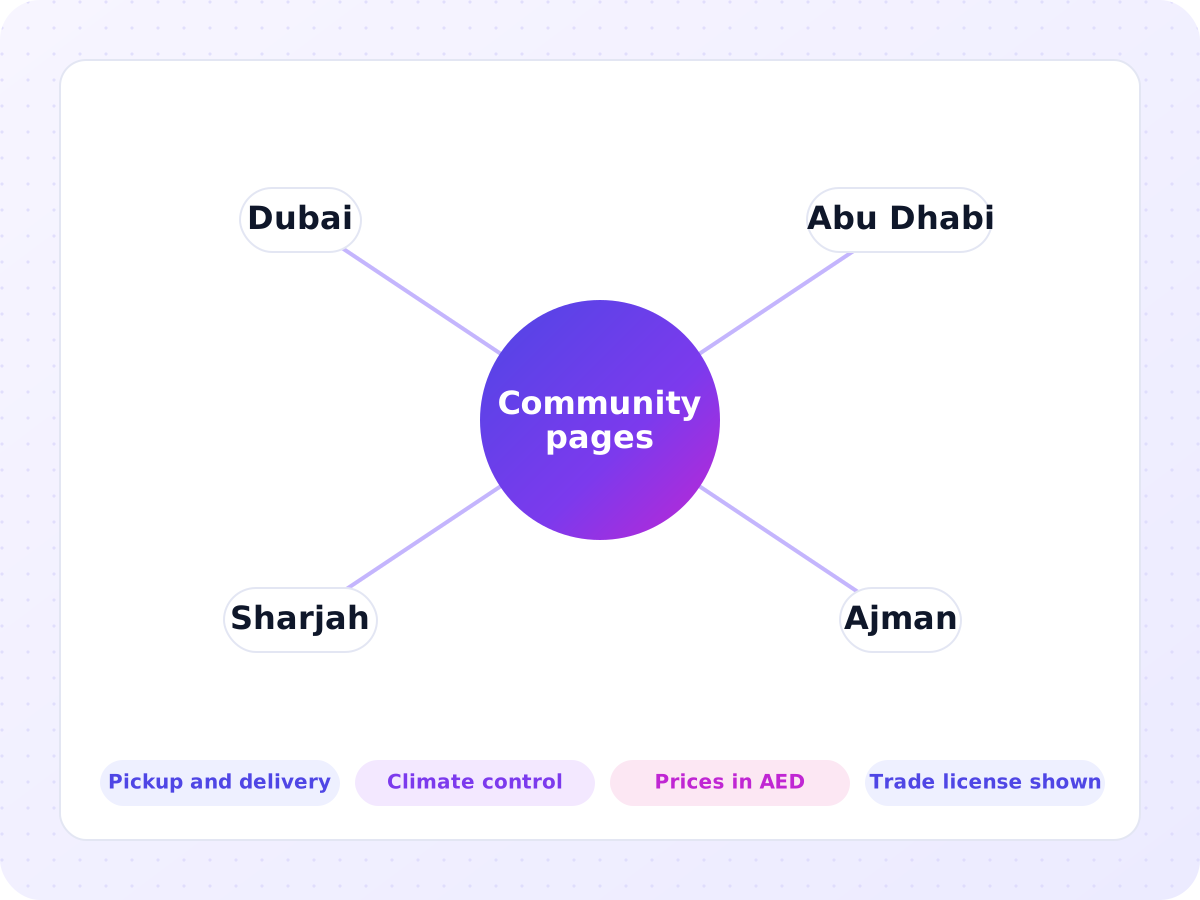
Much of my storage experience is in the UAE, where "self storage Dubai" and related searches get thousands of searches a month. UAE renters search by emirate and community, often expect pickup and delivery, and treat climate control as a must in the summer heat. Location and community pages cover the emirate, nearby communities, unit sizes in square feet, prices in AED, and the trade license, with WhatsApp as the main contact.

A site that turns visits into rentals

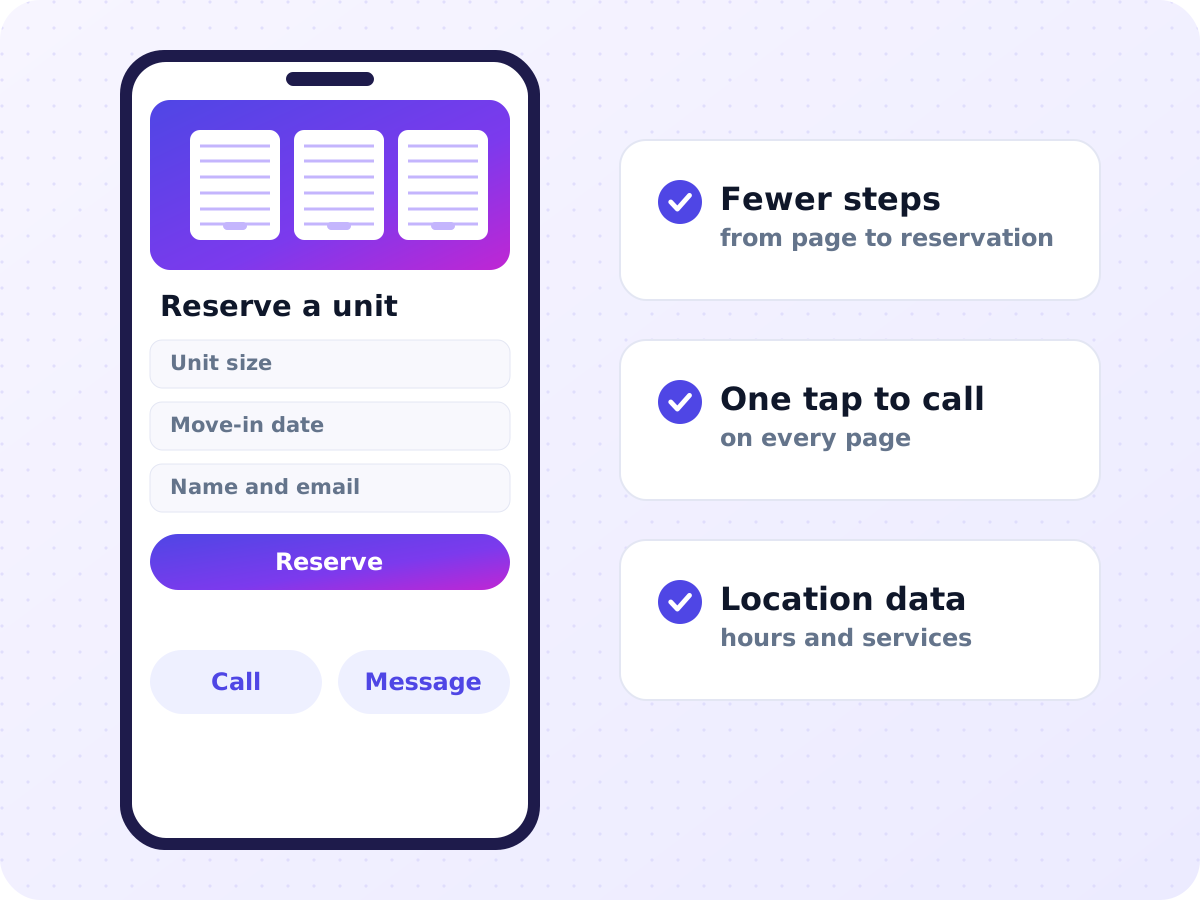
Many renters search and book on their phones. I fix speed and mobile layout, remove extra steps between your pages and your rental or reservation form, and keep call or WhatsApp one tap away. Structured data describes each location, its hours and its services accurately. More: Technical SEO. AI tools that recommend storage tend to repeat facts that match across the web, so I keep yours accurate everywhere; more on AI Search Optimization.

SEO and ads planned together

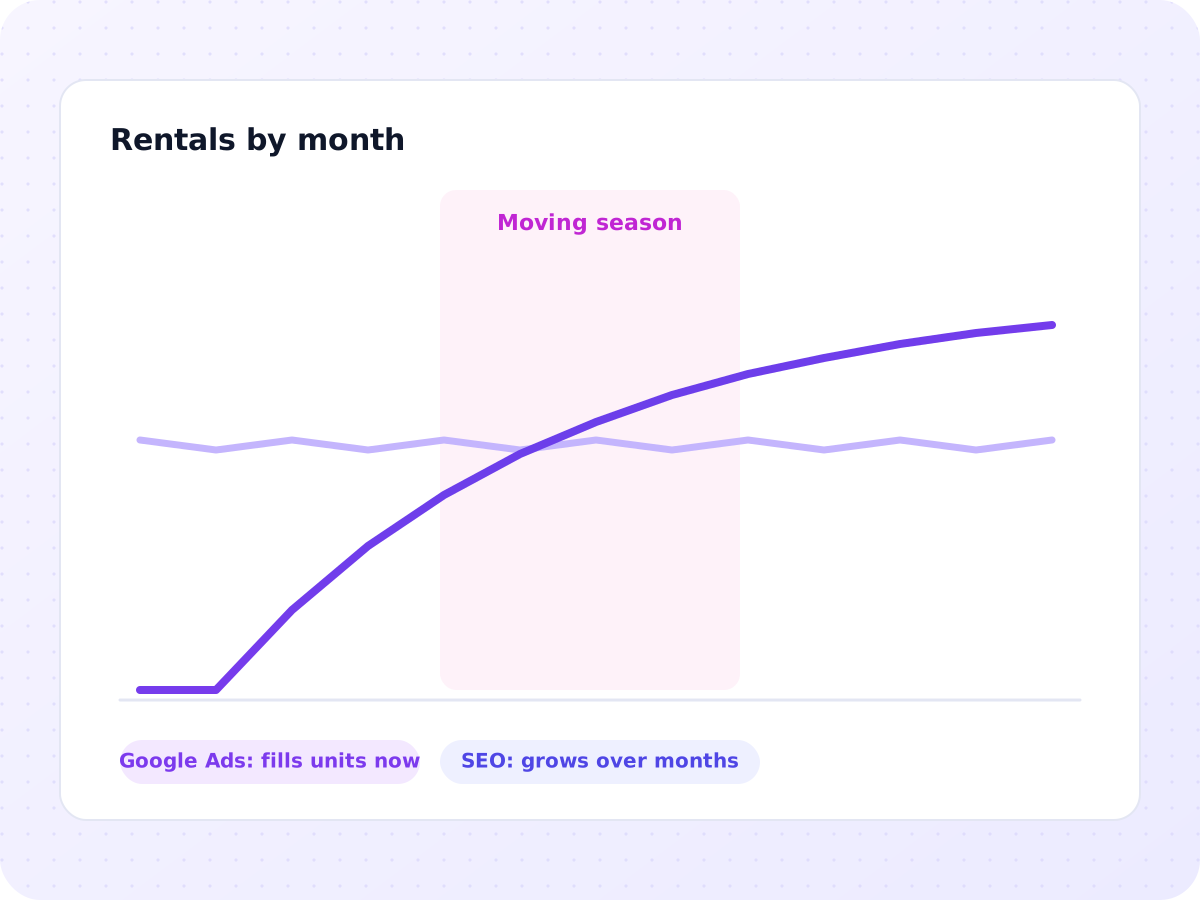
SEO takes months, and storage demand moves with moving season, students and local growth. Google Ads can fill units now, and I plan them from the same search data as your pages, so ads show which unit types and areas rent well before we build pages for them. More: Google Ads.

Measured in move-ins and occupancy

  1. Calls, reservations, rentals and WhatsApp messages tracked by page, unit type and location.

  2. Rentals matched to your management software, so you see which searches led to move-ins.

  3. Cost per move-in by source: organic, ads and listing sites.

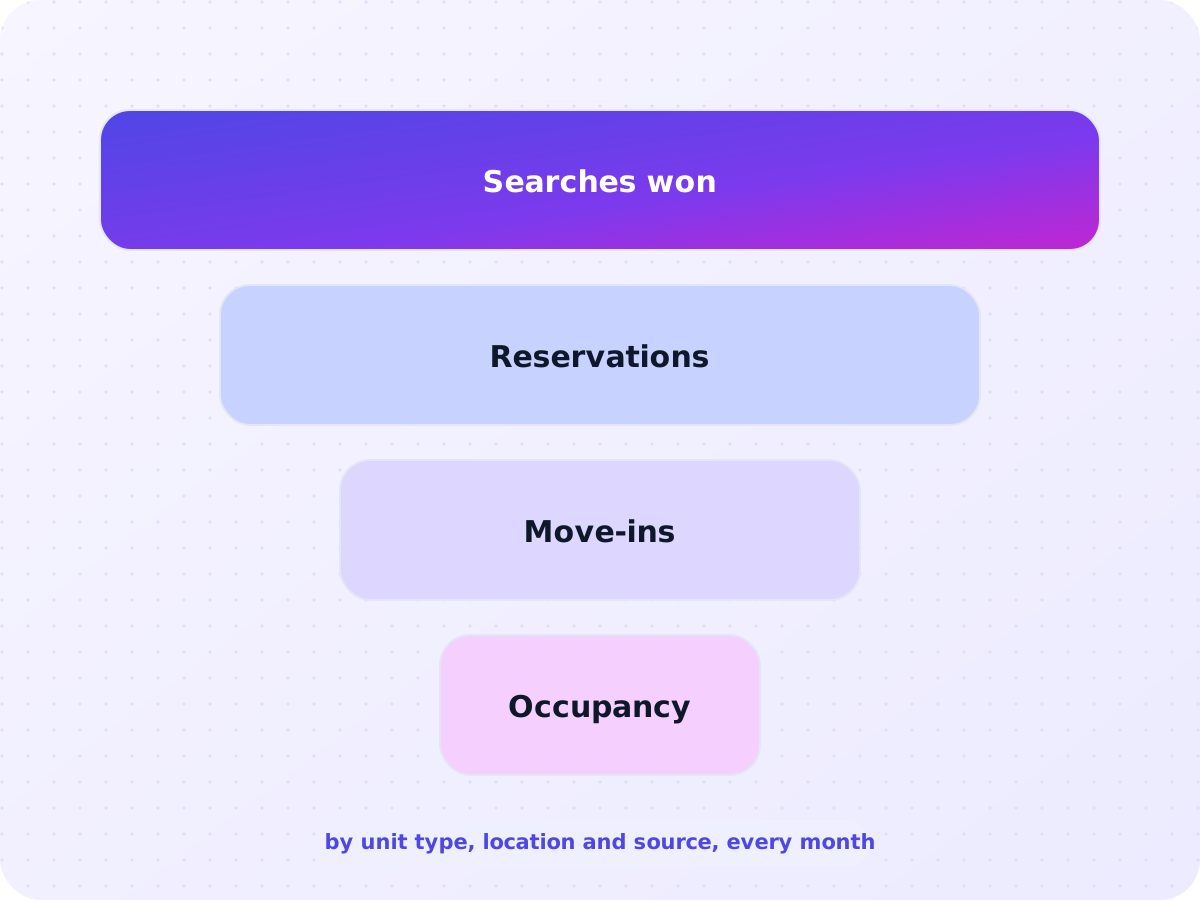
  4. Monthly reports by location: searches won, reservations, move-ins and reviews, read next to your occupancy.

What you receive

DeliverableFormatWhy it matters
Storage type and area mapGoogle Sheet

Every storage type, unit size, area and reason, matched to one page.

Site and local auditGoogle Sheet and Loom video

Technical issues, pricing widget visibility, Google Business Profiles, listings and content gaps.

Pricing and trust checklistGoogle Doc

Fee disclosure, security, access and license items for your site.

Storage type, size and location pagesGoogle Docs or edits in your CMS

Researched, written and checked against your real units and prices.

Review processOne-page setup and message templates
Link planGoogle Sheet

Local partners and directories.

Monthly reportLooker Studio and Loom video

Reservations and move-ins by storage type, location and source.

How it works, step by step

  1. Access and audit

    Weeks 1 to 2

    You share Search Console, analytics, your Google Business Profiles and rental data from your management software. I audit the site, listings and competitors around each location.

  2. Storage type and area map

    Weeks 2 to 3

    We pick the unit types and areas with the most empty units and the best margins.

  3. Fix the foundation

    Weeks 3 to 6

    Technical fixes, readable prices, profile cleanup, trust items and tracking.

  4. Build pages

    From week 4

    Storage type, size and location pages in priority order.

  5. Reviews and links

    From week 6

    The review process starts; partner outreach begins.

  6. Measure and adjust

    Monthly

    Move-ins by unit type and location decide where the next month's work goes.

Ways to work together

Option 1

Self storage SEO audit

Site, local and competitor audit, storage type and area map, and a prioritized plan.

Option 2

Monthly self storage SEO

Everything in the audit, plus monthly pages, local work, reviews, links and reporting.

Option 3

Location and unit pages only

Researched pages your team can publish.

Who this is for, and who it isn't

A good fit if you

  • run one or several independent storage facilities
  • can share rental data
  • want to rely less on listing sites
  • can reply to reviews and calls quickly

Not a good fit if you

  • want keyword-stuffed profile names
  • want pages for areas you don't serve
  • want advertised prices that leave out required fees

Self storage SEO questions

How long does self storage SEO take?

Profile, pricing and technical fixes can help within weeks. New location and unit pages usually take three to six months to rank, longer in big cities. No one can guarantee rankings.

Can an independent facility beat the national brands?

Often, for searches close to your facility. National brands are hard to beat on broad city searches, but the map pack and detailed local pages give an independent a real chance.

Should I stay on listing sites?

Not necessarily all of them. Track the cost per move-in from each one and keep the ones that pay off while your own pages grow.

Do I need a page for every unit size?

Not always a separate page, but each common size needs clear, useful detail somewhere a renter can find it.

Do you work with operators that have several locations?

Yes. Each location gets its own profile and page, and the site is structured so they don't compete with each other.

Do you work with storage companies outside the US?

Yes. Much of my storage work is in Dubai, Abu Dhabi, Sharjah and Ajman.

Do you write the content?

Yes. I research and write every page, and check it with you against your real units, prices and policies.

Are you a self storage SEO agency or company?

I'm a consultant, not an agency. You work directly with the person researching, writing and measuring your pages.

Find out which renters your website is missing.

Send me your site and your locations. In 1 to 2 days you get a short video and a written summary with the 3 fixes that matter most.

Get my free 3-fix review