Law Firm SEO Services

People don't search for "a lawyer". They search for a DUI lawyer near the courthouse at 11 pm, a divorce attorney who handles custody in their county, or a car accident lawyer who works on contingency. I build law firm websites around those real searches, one practice area at a time, within your state bar's advertising rules, and I measure success in signed cases, not traffic.

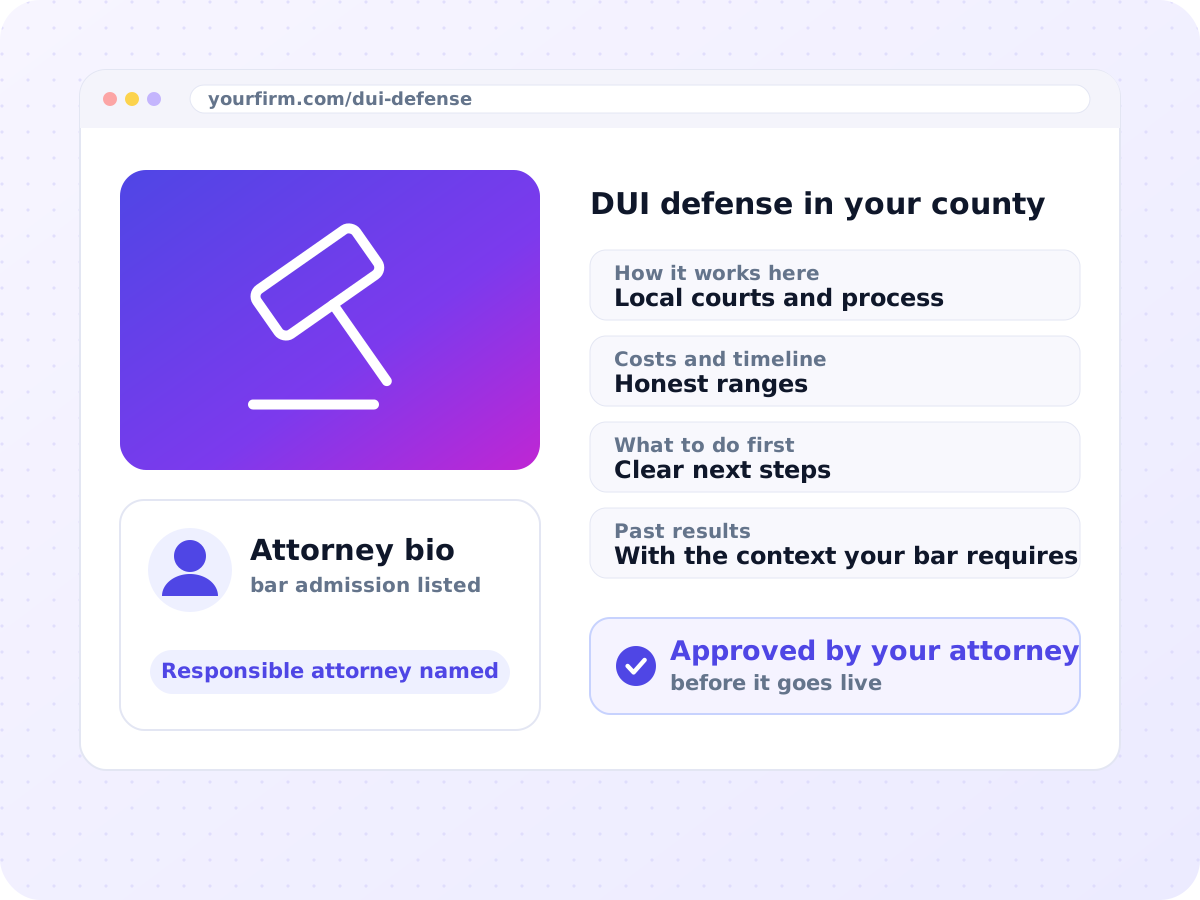
Every page is written to your state's advertising rules and approved by your attorneys before it goes live.

  • 6+ years of experience
  • 30+ clients served
  • Completed Koray's Topical Authority course

Signs your firm is losing cases in search

  • Competitors show up in the map pack for your main practice area and city, and you don't.
  • One "practice areas" page lists everything you do, with a paragraph each.
  • Your city pages are copies with the city name swapped.
  • Your site gets visits, but your intake team can't say how many became clients.
  • Reviews arrive in bursts, then stop for months.
  • Calls after hours go to voicemail, and those clients hire someone else.
  • You've paid for SEO before, and all you got was a monthly ranking report.

A topical map for every practice area

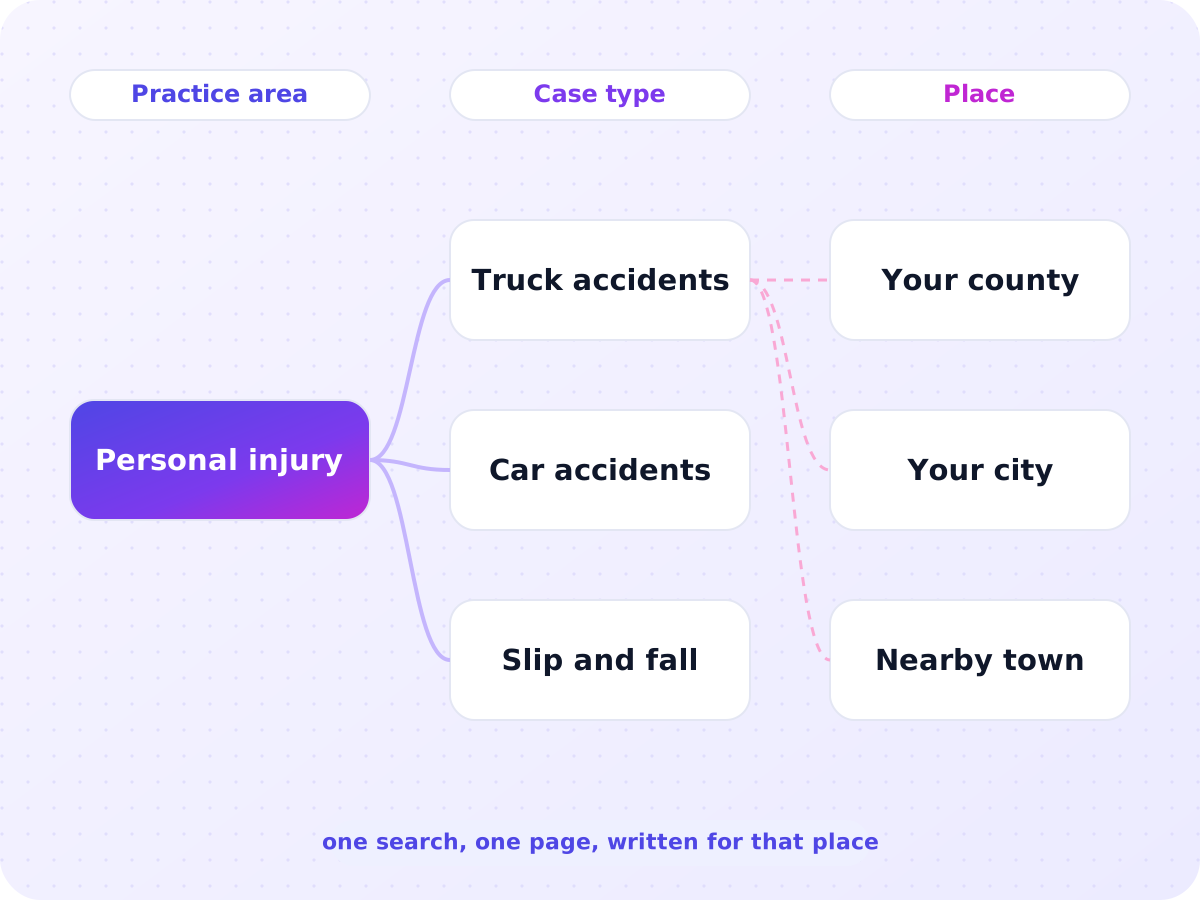
Each practice area is its own topic with its own searches. I map them in three layers: the practice area (personal injury), the case type (truck accidents), and the place (your county or city). Each search gets one page, and each page answers what that client needs to know before calling: how the process works in your state, what it costs, how long it takes and what to do first. City pages are written for that place, with its own courts and local details, never copies. This is the semantic SEO method behind all my work; more on my Semantic SEO page.

SEO for every practice area

Every practice area is searched differently. Here is what changes for each one.

Personal injury

  • How clients search: urgently, on mobile, by accident type and city: car, truck, motorcycle, slip and fall, dog bite, wrongful death.
  • What wins: one page per accident type and city, clear contingency fee terms, your state's filing deadline explained, and fast answers to calls.
  • Watch out for: past results shown without context, and "no fee unless we win" if clients may still owe costs. The most competitive area in legal search, so local strength matters most.
Medical malpractice

  • How clients search: slowly, after research, by what happened: birth injury, misdiagnosis, surgical error.
  • What wins: detailed pages per case type, your state's deadlines and rules for these claims, and attorney bios that show trial experience.
  • Watch out for: anything that reads as medical advice. Medical and legal topics are both held to Google's highest quality standard.

Mass torts and class actions

  • How clients search: nationally, by product or drug name, often right after news of a recall or lawsuit.
  • What wins: accurate pages published quickly when a case starts, kept up to date with court and agency sources.
  • Watch out for: sensational claims and anything that looks like solicitation. Pages must state facts, not fears.

Family law

  • How clients search: privately, by problem and county: divorce, custody, child support, adoption, prenuptial agreements.
  • What wins: county-specific process pages, honest cost and timeline ranges, and a calm, clear tone.
  • Watch out for: client privacy in reviews and case examples, and anything that promises a custody outcome.

Criminal defense and DUI

  • How clients search: urgently, often at night or on weekends, by charge: DUI or DWI, drug charges, assault, theft, white collar, expungement.
  • What wins: charge pages built on your state's statutes and penalties, 24/7 contact options, and very fast response.
  • Watch out for: clients rarely leave public reviews, so reviews grow slowly. Never imply a guaranteed dismissal.

Immigration

  • How clients search: by visa or process, often in Spanish or other languages: green cards, citizenship, work visas, asylum, removal defense.
  • What wins: proper pages in each language your firm serves, process timelines linked to official sources, and frequent updates as policy changes.
  • Watch out for: outdated policy details, which hurt trust fast. Immigration law is federal, so your market can reach beyond your city.

Estate planning and probate

  • How clients search: calmly, as a planned need, often for themselves or a parent: wills, trusts, powers of attorney, probate.
  • What wins: state-specific guides, flat-fee pricing if you offer it, and local trust signals such as seminars or community ties.
  • Watch out for: generic national content. Rules differ by state, and clients want someone local.

Elder law

  • How clients search: usually adult children searching for a parent: Medicaid planning, guardianship, long-term care.
  • What wins: pages written for the family member doing the research, with clear next steps.
  • Watch out for: overlap with estate planning pages. Each search needs one clear page.

Business and corporate law

  • How clients search: as business owners, by task: forming a company, contracts, partnership disputes, buying or selling a business.
  • What wins: pages by industry and task, attorney thought leadership, and links from business groups.
  • Watch out for: a longer decision cycle. Track consultations, not just calls.

Employment law

  • How clients search: by problem: wrongful termination, discrimination, harassment, unpaid wages.
  • What wins: problem pages tied to your state's employment laws, with a clear statement of who you represent: employees or employers.
  • Watch out for: mixing employee and employer content on one page, which confuses both searchers and Google.

Workers' compensation

  • How clients search: injured workers looking for help with a claim, a denial or an appeal.
  • What wins: your state's claim process, deadlines and forms explained step by step.
  • Watch out for: competing with your own personal injury pages. Workplace injury and third-party claims need separate, clearly linked pages.

Social Security disability

  • How clients search: by stage: applying, denied, appealing, hearing.
  • What wins: one page per stage, and plain explanations of how representative fees work.
  • Watch out for: fee claims that don't match the federal rules for these cases.

Bankruptcy

  • How clients search: privately, under financial stress: Chapter 7, Chapter 13, stopping foreclosure or garnishment.
  • What wins: chapter explainers for your state, honest cost information, and a reassuring tone.
  • Watch out for: federal disclosure rules for firms that help consumers with debt, which affect your ads and website wording.

Real estate law

  • How clients search: in two very different ways: closings and transactions, or disputes such as landlord-tenant and boundary issues.
  • What wins: separate sections for transactions and litigation, each with local detail.
  • Watch out for: one page trying to serve both.

Tax law

  • How clients search: by IRS problem, often with a notice in hand: audits, back taxes, liens, levies.
  • What wins: pages for specific IRS notices and situations, with official sources.
  • Watch out for: "settle for pennies" style promises, which regulators have acted against in tax relief advertising.

Intellectual property

  • How clients search: as founders and companies, by task: trademark registration, patents, copyright, infringement.
  • What wins: process and cost pages, and content for the industries you serve.
  • Watch out for: a national market with strong competitors. Niche by industry or IP type.

More on each industry I work in: Industries.

Local SEO and the map pack for law firms

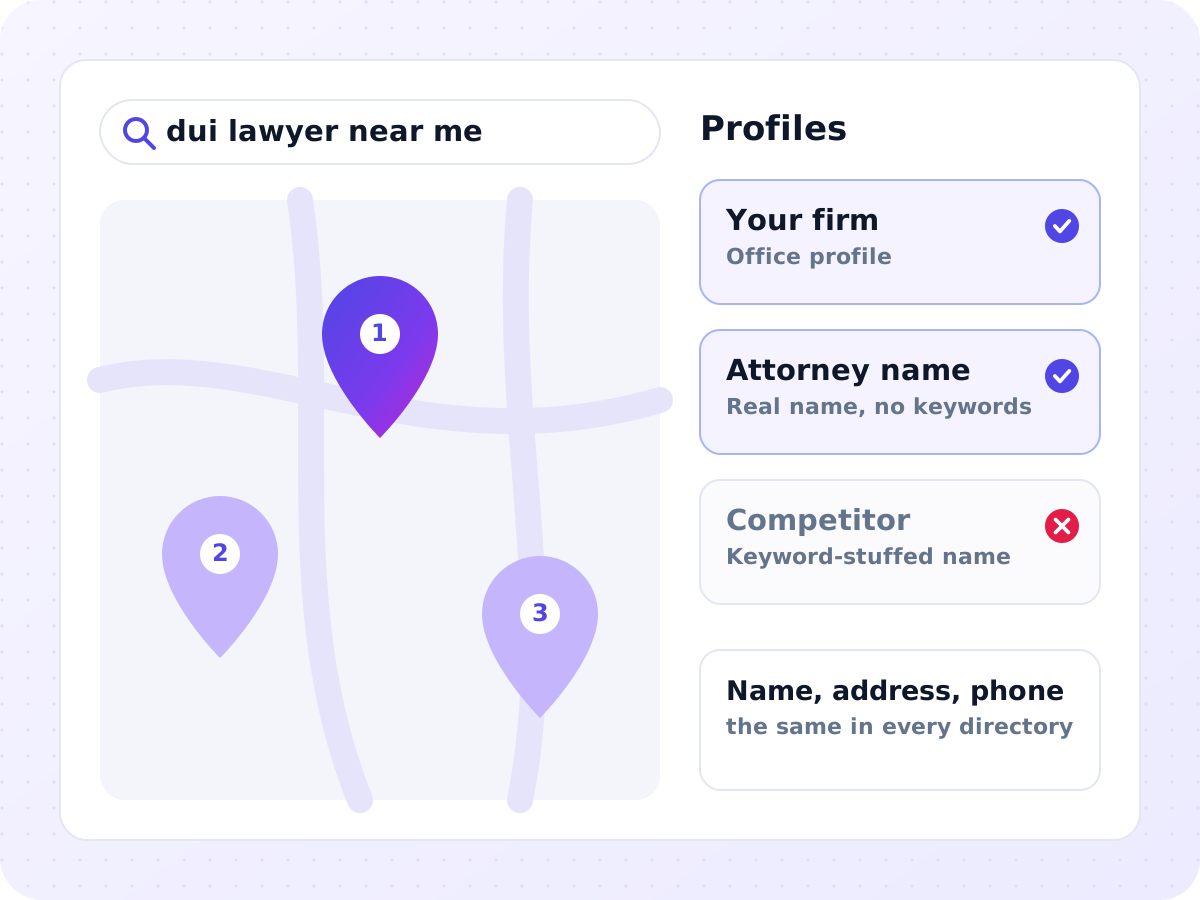
For most practice areas, the map pack decides who gets the call. I set up your Google Business Profiles the way Google's rules allow: one for the firm's location, and one for each public-facing attorney, named with their real name and no extra keywords, which is a common reason firms get suspended. Categories match your real practice areas. Your name, address and phone match everywhere, including legal directories. More: Local SEO.

Content that follows bar advertising rules

Your website is advertising under your state bar's rules, which in most states are based on the ABA Model Rules. The core rule is simple: nothing false or misleading, even by leaving out a fact.

Instead ofAvoidWrite
"The best divorce lawyer in Dallas"What you do, where, and for how long: "Family law in Dallas County since 2012"
"We win every case"Never. Describe your process and experience
"$2 million settlement!" aloneThe result with the context your state requires, and a note that past results don't guarantee future ones
"Personal injury specialist""Focuses on personal injury", unless certified by an approved body you name
"No fee, ever"The exact fee terms, including who pays case costs
A client story with namesOnly with written consent, and as your state allows

Every page names the responsible attorney and includes contact details, and goes live only after an attorney approves it.

Attorney trust signals Google looks for

Legal pages are held to Google's highest quality standard, because a wrong answer can cost someone their freedom, money or family. I build trust into every page:

  • Attorney bios with bar admissions, years in practice, education and real case experience.

  • An author and an attorney reviewer named on every guide, with a review date.

  • Your state bar number and jurisdiction where your rules require or allow it.

  • Clear contact details, office locations and hours.

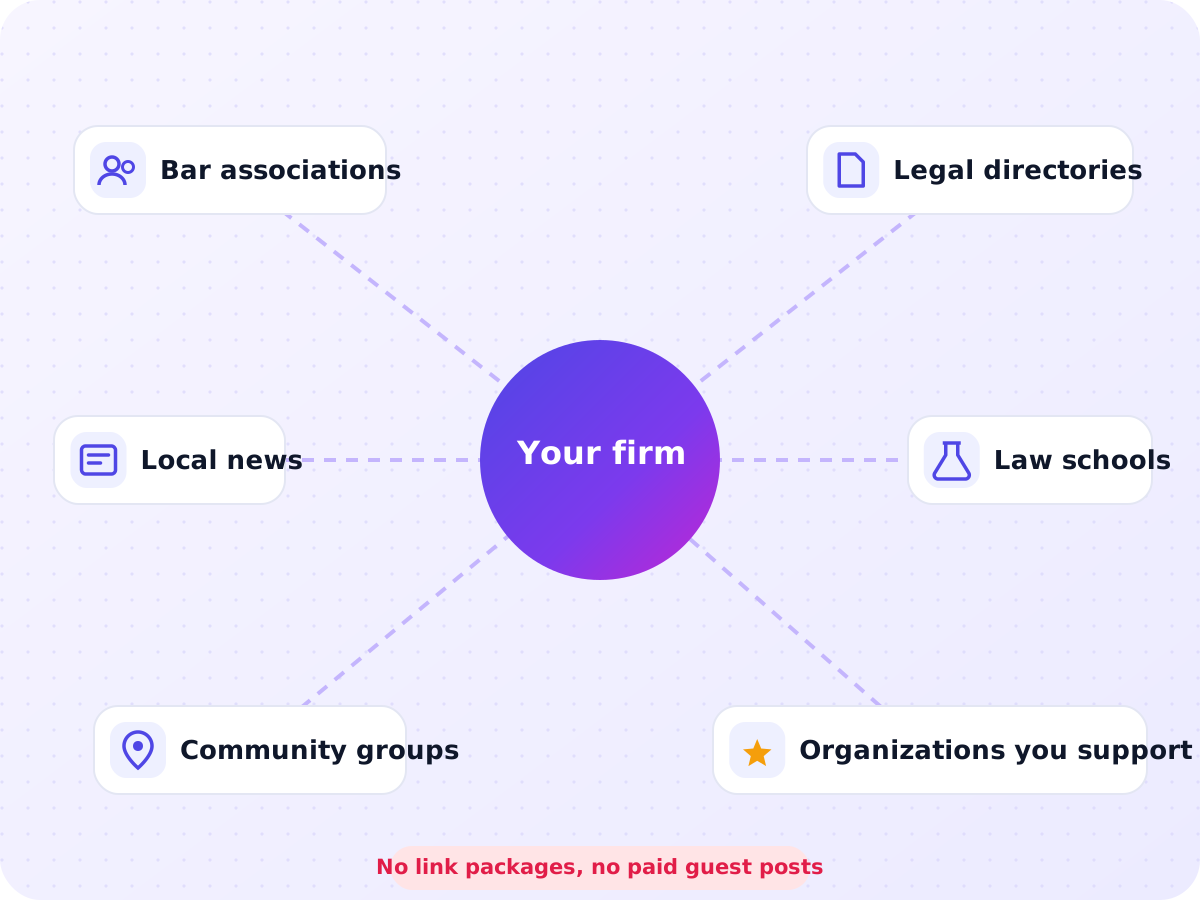
  • Mentions of memberships, publications and speaking, linked to the source.

Reviews collected the right way

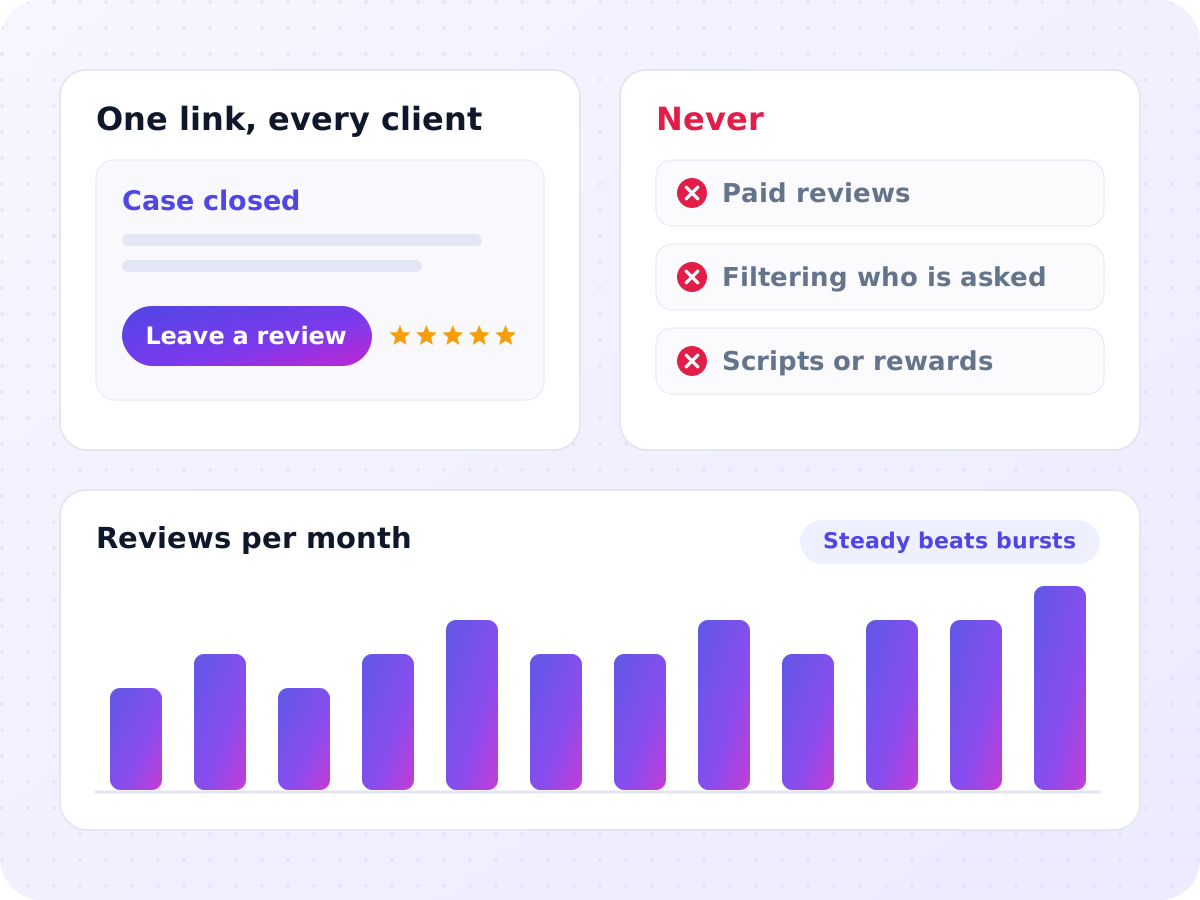
Reviews drive the map pack, and clients decide on them. They also carry rules. The FTC bans fake reviews and reviews that depend on being positive, and some state bars limit testimonials. So I set up a simple process: ask every client the same way at the end of their case, through one link, with no filtering, no rewards and no scripts. Steady reviews, a few each month, work better than bursts.

A fast site that turns visits into calls

Most legal searches happen on phones, often in a hurry. I fix speed, mobile layout, crawl and indexing problems, add accurate structured data for your firm and attorneys, and make sure calling or booking takes one tap from every page. More: Technical SEO.

What AI tools say about your firm

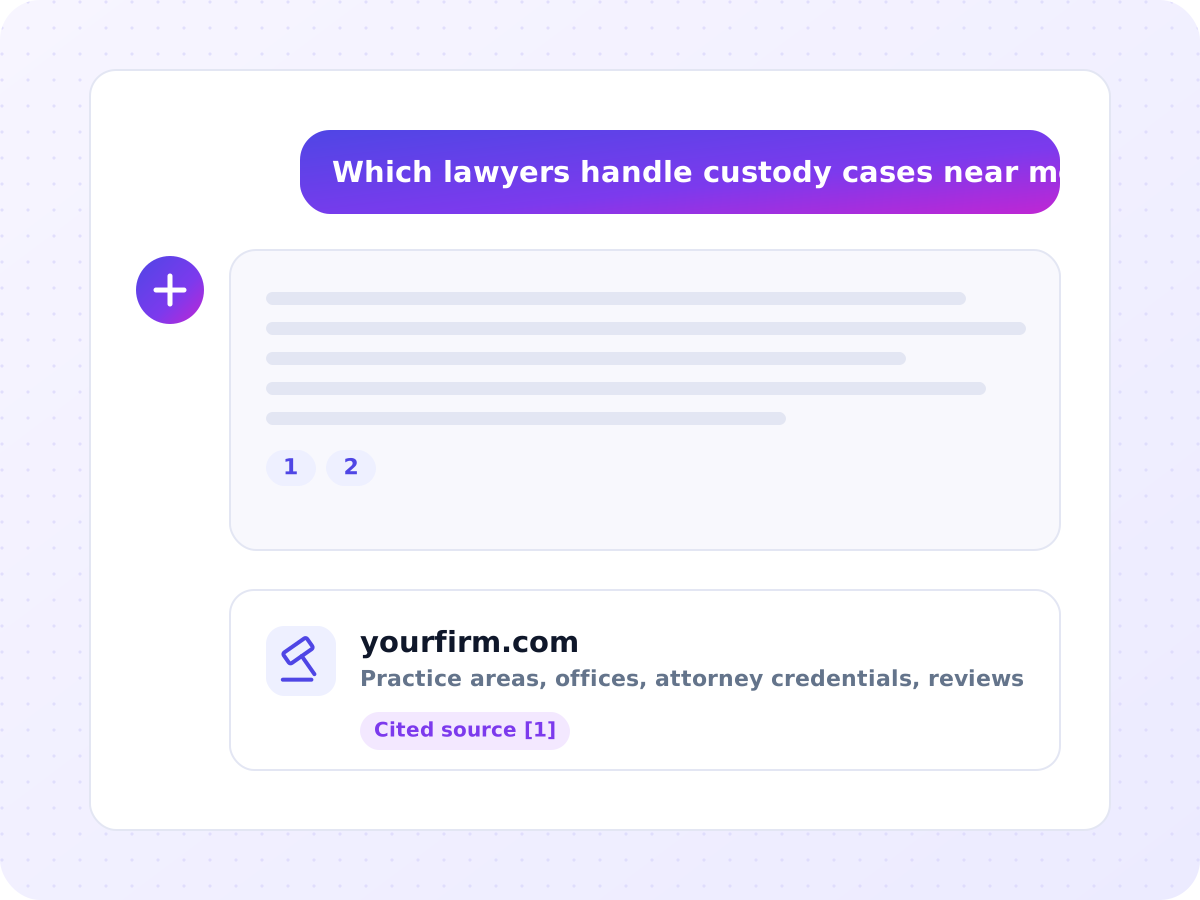
People now ask ChatGPT and Google's AI Mode to recommend a lawyer. AI answers on legal topics are careful and lean on clear facts: practice areas, locations, attorney credentials and reviews that match across the web. I make sure those facts are accurate and consistent. More: AI Search Optimization.

Measured in signed cases, not traffic

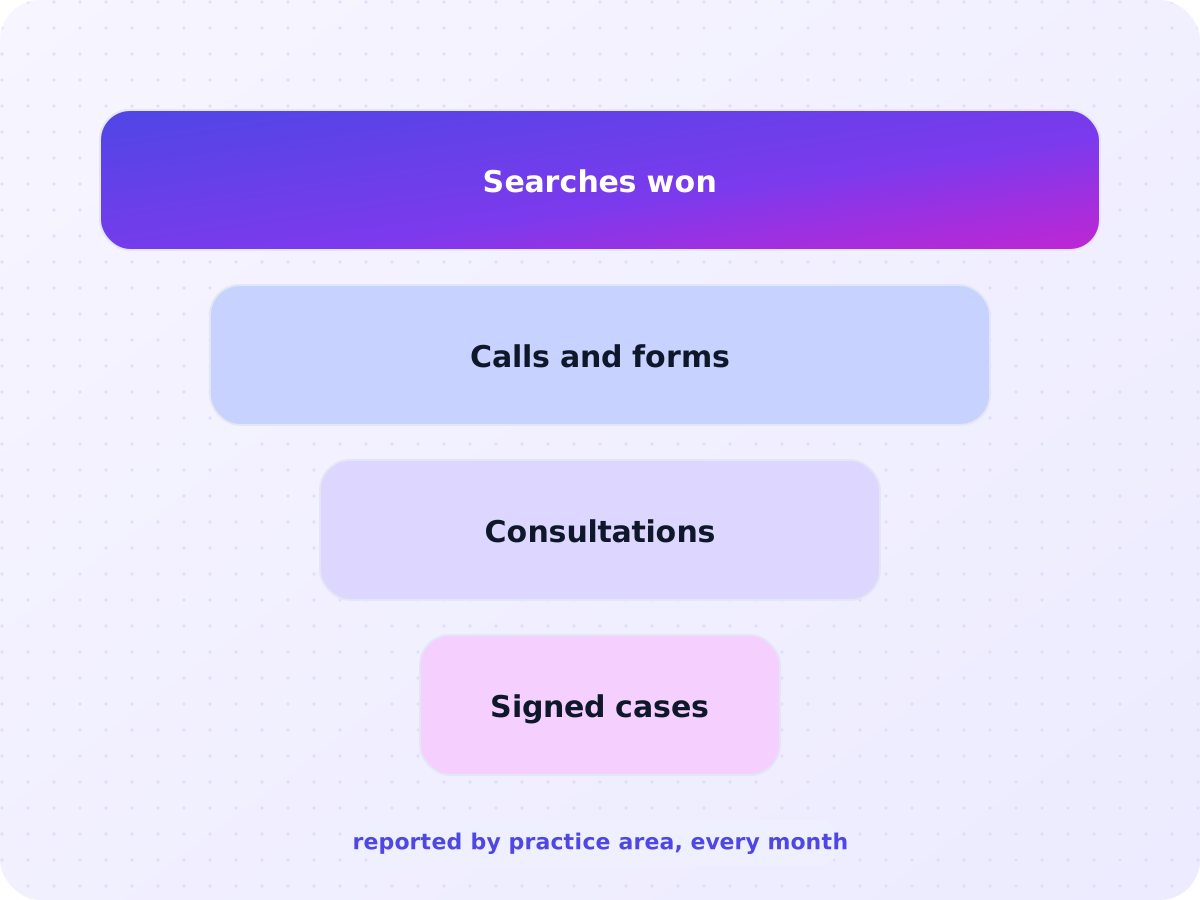
A ranking report doesn't pay your staff. I track the path from search to signed case:

  1. Calls and forms tracked by page and practice area.

  2. Leads matched to your intake or case management system, so you see which became consultations and signed cases.

  3. Response time watched, because clients often hire the first lawyer who answers.

  4. Monthly reports by practice area: searches won, leads, consultations and signed cases.

SEO and Google Ads working together

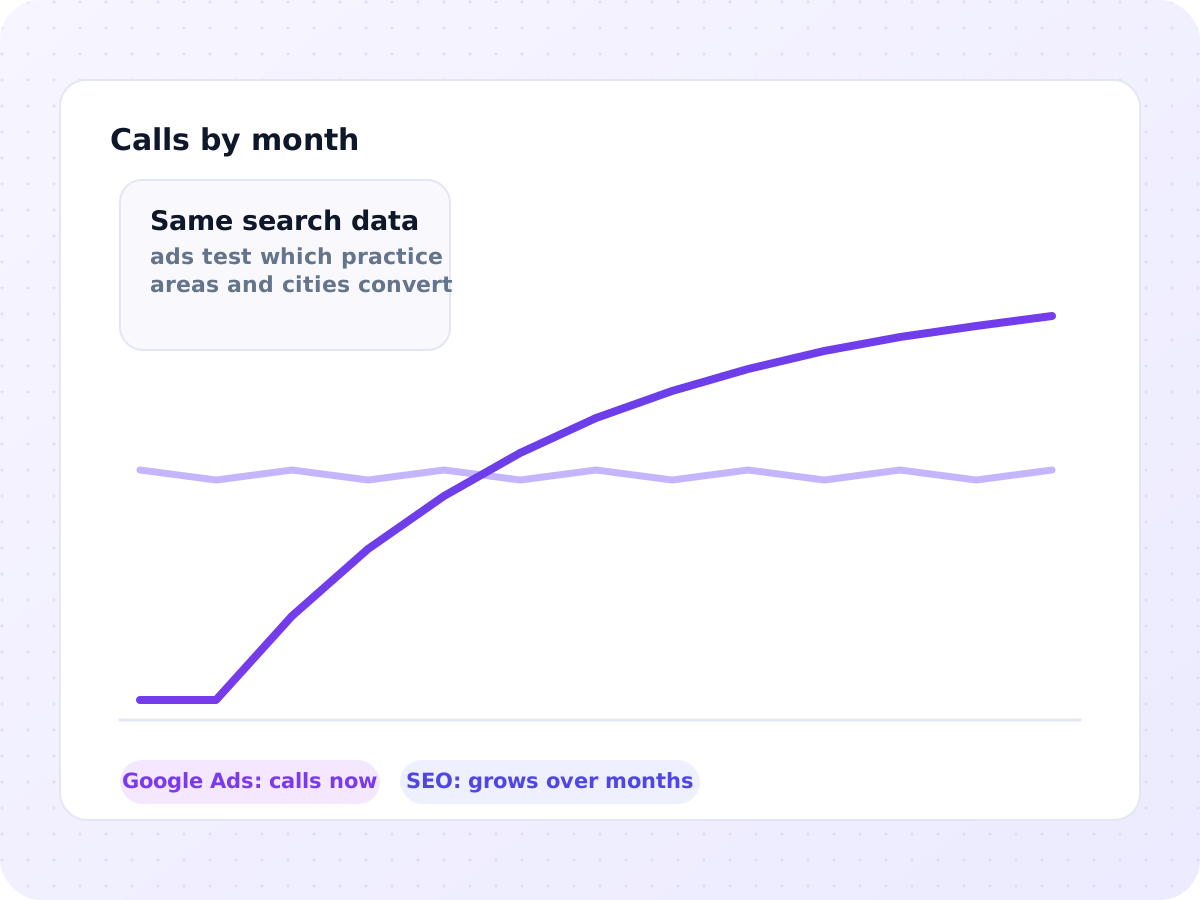
SEO takes months. Google Ads and Local Services Ads can bring calls now, while your pages grow. I plan both from the same search data, so ads test which practice areas and cities convert before we invest in pages for them. More: Google Ads.

What you receive

DeliverableFormatWhy it matters
Practice area mapGoogle Sheet

Every practice area, case type and location, matched to one page.

Site and local auditGoogle Sheet and Loom video

Technical issues, Google Business Profiles, directories and content gaps.

Compliance notesGoogle Doc

The advertising rules for your state that affect your site, written for your review.

Practice area and city pagesGoogle Docs or edits in your CMS

Researched, written and sent for attorney approval.

Review processOne-page setup and message templates
Link planGoogle Sheet

Target sites and outreach status.

Monthly reportLooker Studio and Loom video

Rankings, calls, consultations and signed cases by practice area.

How it works, step by step

  1. Access and audit

    Weeks 1 to 2

    You share Search Console, analytics, your Google Business Profiles and intake data. I audit the site, local presence and competitors in your markets.

  2. Practice area map

    Weeks 2 to 3

    We pick the practice areas and locations that matter most to your firm and its capacity.

  3. Fix the foundation

    Weeks 3 to 6

    Technical fixes, profile cleanup, directory corrections and call tracking.

  4. Build pages

    From week 4

    Practice area and city pages in priority order, each approved by an attorney before it goes live.

  5. Reviews and links

    From week 6

    The review process starts; outreach begins.

  6. Measure and adjust

    Monthly

    Signed cases by practice area decide where the next month's work goes.

Ways to work together

Option 1

Law firm SEO audit

Site, local and competitor audit, practice area map and a prioritized plan.

Option 2

Monthly law firm SEO

Everything in the audit, plus monthly pages, local work, reviews, links and reporting. One practice area and market to start.

Option 3

Practice area pages only

Researched, rule-aware pages your team or another agency can publish.

Who this is for, and who it isn't

A good fit if you

  • are a solo attorney or small to mid-size firm
  • can review pages within a week
  • track your intake
  • want growth in specific practice areas and places

Not a good fit if you

  • want guaranteed rankings
  • want claims your bar rules don't allow
  • can't answer calls quickly enough to use more leads

Law firm SEO questions

How long does law firm SEO take?

Local and technical fixes can help in the first months. New practice area pages usually take three to nine months to rank, longer in competitive areas like personal injury in large cities.

Can a small firm compete with big firms?

Yes, by being more specific. A small firm can win "custody lawyer in [county]" long before it wins "divorce lawyer" in a big city.

Do you write the content?

Yes. I research and write every page, and your attorneys approve it before it goes live, because you are responsible for what it says.

Is SEO better than Google Ads for lawyers?

They do different jobs. Ads bring calls now and test which areas convert. SEO builds lasting visibility. Using both, planned from the same data, usually works better than either alone.

Do you work with firms in every state?

Yes. Advertising rules differ by state, so pages are written to your state's rules and checked by your attorneys.

Can you get us more reviews?

I can set up a process that asks every client the right way. I never buy, write or filter reviews.

Which practice areas do you work with?

All of the areas above. Each one gets its own page plan, because each is searched differently.

Are you a law firm SEO agency?

I'm a consultant, not an agency. You work directly with the person researching, writing and measuring your pages.

Find out which cases your website is missing.

Send me your site and your main practice area. In 1 to 2 days you get a short video and a written summary with the 3 fixes that matter most.

Get my free 3-fix review